Client Communication
Graceful Self-Promotion and Podcasting Tips
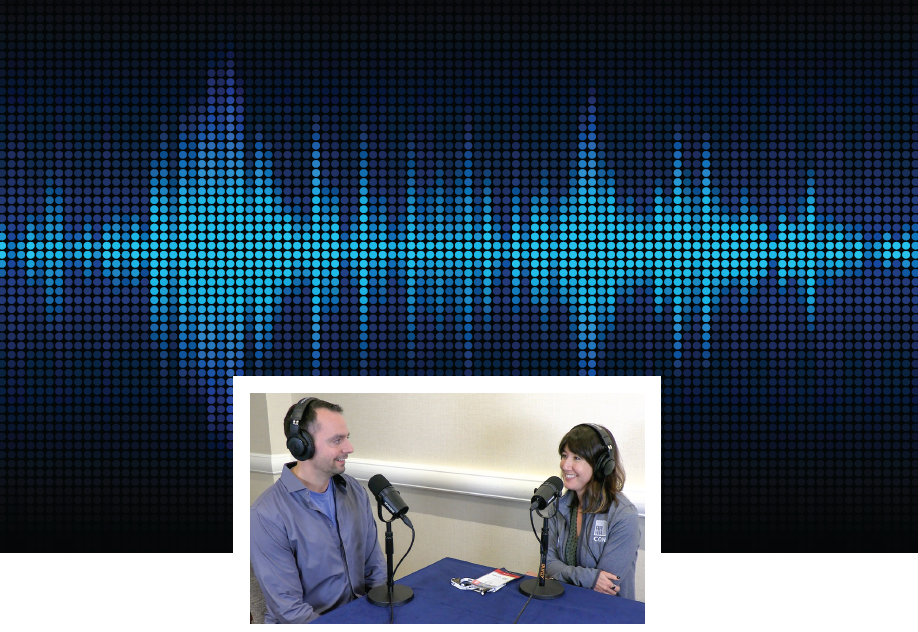
A conversation with Casey Callanan, MBA, of Clear Contender, LLC, who offers tips on getting into podcasting and using content for social media promotions.
A Conversation with Casey Callanan, MBA
Casey Callanan, MBA, is the chief communications officer with Clear Contender, LLC, and has been producing podcasts in the nonprofit sector since 2016. He is also the producer for the AAHA Central Line podcast series.
Although it may not come naturally to many of us, there are deep benefits to self-marketing our skills with grace. Furthermore, a podcast can serve as a great vehicle, along with various social media tools, for veterinary professionals to amplify their voices and showcase their expertise.
Advertisement
A podcast, whether self-produced or joined as a guest, becomes a powerful way to catalyze career growth, foster meaningful connections and relationships, and serves as a strong overall tool for professional development.
Whether you’re a seasoned podcaster or a novice contemplating your first steps, this interview provides valuable insights and encouragement.
Katie Berlin: I was going to say we have a nonveterinary guest, but I feel like you are basically part of the veterinary family at this point. Casey is the guy behind the curtain who is making things happen. And if it weren’t for you, there would be no podcast.
Casey Callanan: I feel like a part of the team and family. I love it. I am really honored to be the producer on this show. I’m not a vet med expert, but we can definitely have an intelligent conversation about how those working in vet med can get themselves out there a little bit more by opening up and either joining a podcast as a guest or starting their own. Then we can talk about the value of repurposing clips from your podcast into social media.
KB: I know from my own experience that if you listen to podcasts, you’re a pretty dedicated and engaged listener. Quite frequently I feel like they think, what would it be like if I were on a podcast or if I had my own show? And it really isn’t a huge leap to doing that. But it can seem really insurmountable.
CC: The number one thing I tend to hear with people that join someone else’s podcast is, “oh, that was super easy. I didn’t realize that it would just be like a conversation.” If you’re a guest, or hosting a really good podcast, that’s what it should be. It should be just an authentic conversation.
But, having the backend piece, where someone’s editing it, really helps a lot too. If there’s someone editing it and you know that going in as a guest, it just puts you a little bit more at ease so you can say, oh, this isn’t live. I don’t have to nail it on the first take.
KB: I’ve noticed as we go on, it gets easier and easier for me to not feel anxious about that. People who really like talking to people, a podcast is just that. It gives you a really good excuse to talk to a lot of interesting people.
CC: I don’t know if it’s like this in vet med, but it’s certainly like this in other fields, where if you go to apply for a job, the first thing that someone does is Google you and check out your public social profiles. They want to see you putting yourself out there as professional. Maybe on Instagram, maybe on LinkedIn, maybe on YouTube.
So, if you’re a guest on a podcast, it provides you with a way to have some clips of yourself and what you’re all about. Whether we like it or not, social media is a huge reality in this professional environment.
KB: And putting yourself out there publicly also shows that you’re able to present yourself in a way that is professional and acceptable to an employer. They don’t have to worry about you. Social media can be a real disaster for some people, if they have stuff on there they wouldn’t want an employer to see. It can be really hard to hide that.
Podcasting and being on YouTube is the opposite. It makes you really easy to find. It also gives people a window into who you are. And if you’re looking to branch into industry or nonprofit work, it is really helpful to see somebody who is a self-starter and who is actually taking it upon themselves to create something.
CC: I want to touch on something that I heard you talk a little bit about in an earlier podcast, that pertains to the question of whether someone in vet med should start their own podcast. And it’s about having an abundance mentality. Someone might be thinking, “oh, there’s so many podcasts out there. What could I possibly bring to the table?”
The reality is that no one is doing a podcast in your own voice. They’re not bringing your unique perspective to the table. Having an abundance mentality means thinking, there’s more room for my stuff and for my voice to be out there. I am a huge proponent of that.
And that’s why you and I would both encourage anyone listening in vet med or any field to seriously consider starting their own podcasts. If you are thinking about doing a podcast and you’re in vet med, you should come to events and conventions like AAHA Con to meet amazing people. You can build that network of people to bounce ideas off of. I’m a huge, huge proponent of networking, and networking done in a nonsleazy way is the most beautiful thing. That’s how you make the most important relationships happen.
KB: I have a friend, Bruce Frankie, he’s a practice owner in Michigan, and he has a podcast for his clinic, which is pretty cool. It’s a small operation, I think his daughter does the editing. He basically talks about common medical problems. He also interviews people. He will have experts come in sometimes, but sometimes it’s just him. He has little cards that he hands out that have the podcast’s QR code.
So, if he’s talking to somebody about allergies, instead of having to do the 45-minute spiel about all the allergies, he says listen to this episode and just gives them a card. Is it a huge thing that he’s expecting to go viral and make money on? Absolutely not. It’s work. He doesn’t keep up a lot of episodes, but it serves a great purpose for him and his clients. Podcasts can be just that; they could be anything.
CC: Definitely. One thing from a technical strategy perspective, if you do start your own podcast, is to have the video out there. Take time to watch some YouTube videos and find out how you do an in-person podcast. Traditionally, podcasts were always an audio medium.
But if you look at the most popular podcasts now, 90–95% of them have a video component. You’re going to want it out there on YouTube and you’re probably going to want to clip some of the cool highlights from that conversation and put those out on Instagram or whatever platform that you find to be most useful.
CC: One last thing I definitely want to point out is, it might not be in our comfort zone to put ourselves out there. I personally struggle with it, too. I’ve always been more comfortable flying under the radar, but the reality is you have to build that skillset.
You have to be comfortable with being out there, being on video, having conversations, and building up some sort of social media presence. I mean, you don’t have to, but it helps. It’s an important skillset set to build because there is definitely some real-world carryover. When you spend as much time as you do engaging with people on a podcast, that’s really helpful in face-to-face communication.
KB: Yeah. I mean, so much of what we talk about on Central Line is about communication. If you’re looking to build a network, build a community, I think podcasting is a really great way. From my own podcast, when I asked people if they wanted to be on it, I had really amazing people say “absolutely.” They never asked me, how many people are going to listen? Or what kind of reach do you get? If somebody asks you that, they probably have another agenda.
The reality is that no one is doing a podcast in your own voice. They’re not bringing your unique perspective to the table.Casey Callanan, MBA
Having an abundance mentality means thinking, there’s more room for my stuff and for my voice to be out there.
CC: That’s a huge piece of it. If you’re going to be on someone’s show, you wouldn’t ask about analytics and metrics. There’s numerous reasons why it’s beneficial. It helps with networking. If you are a guest on a podcast or you’re hosting one, you do get to meet some amazing people. Just keep in mind that there’s so many different ways to use that base podcast. You can use it as social media clips as we talked about. You’ve used our transcripts from many of these episodes in your publications.
KB: Our guests on the podcast know so much. They are experts in the field. They have stories that they want to tell and they don’t mind sharing. That can really form a connection between them and a lot of people who might not otherwise hear those stories. This is just another way to get that connection out there because not everybody listens or watches; some people like to read.
CC: Totally, that’s a great way. Having the transcript from every episode of Central Line was an important thing to us from the beginning. We want to make sure these conversations are as accessible as possible. We recognize the fact that some people are just speed readers. They can consume content faster by reading it. And some people can consume these conversations fastest by listening to the podcast on double or triple speed while they’re on the treadmill or something. That’s just what’s cool about podcasts. You want to meet people where they’re at with how they want to consume it.
KB: If somebody’s listening to (or reading) this episode and have gotten this far, they’re probably thinking, yeah, I actually kind of want to do this. What is your recommended first step?
CC: I’m not a DIY person, like around the home. I’m not going to be able to fix much, but from a technical standpoint, I learn essentially everything from YouTube videos. And the information that’s already out there on Mr. Google, that is where you want to start. Just start with a search as simple as “how to podcast” and there’s so much great simplified video contents out there to do it.
CC: The videos that rise to the top are literally the best ones. Say what you want about the Google algorithm and the YouTube algorithm, yes, it misses the mark often, but when it comes to things like learning how to do a podcast, the videos that come to the top when you search that are going to be where you want to start. That is literally it. Just having the patience to watch those videos and learn how to do it yourself. I’m happy to talk with anyone in this great community just to answer some questions on what I might be able to help with.