Safety
Beware: Behavioral cues signal whether not a pet is spooked by Halloween fun
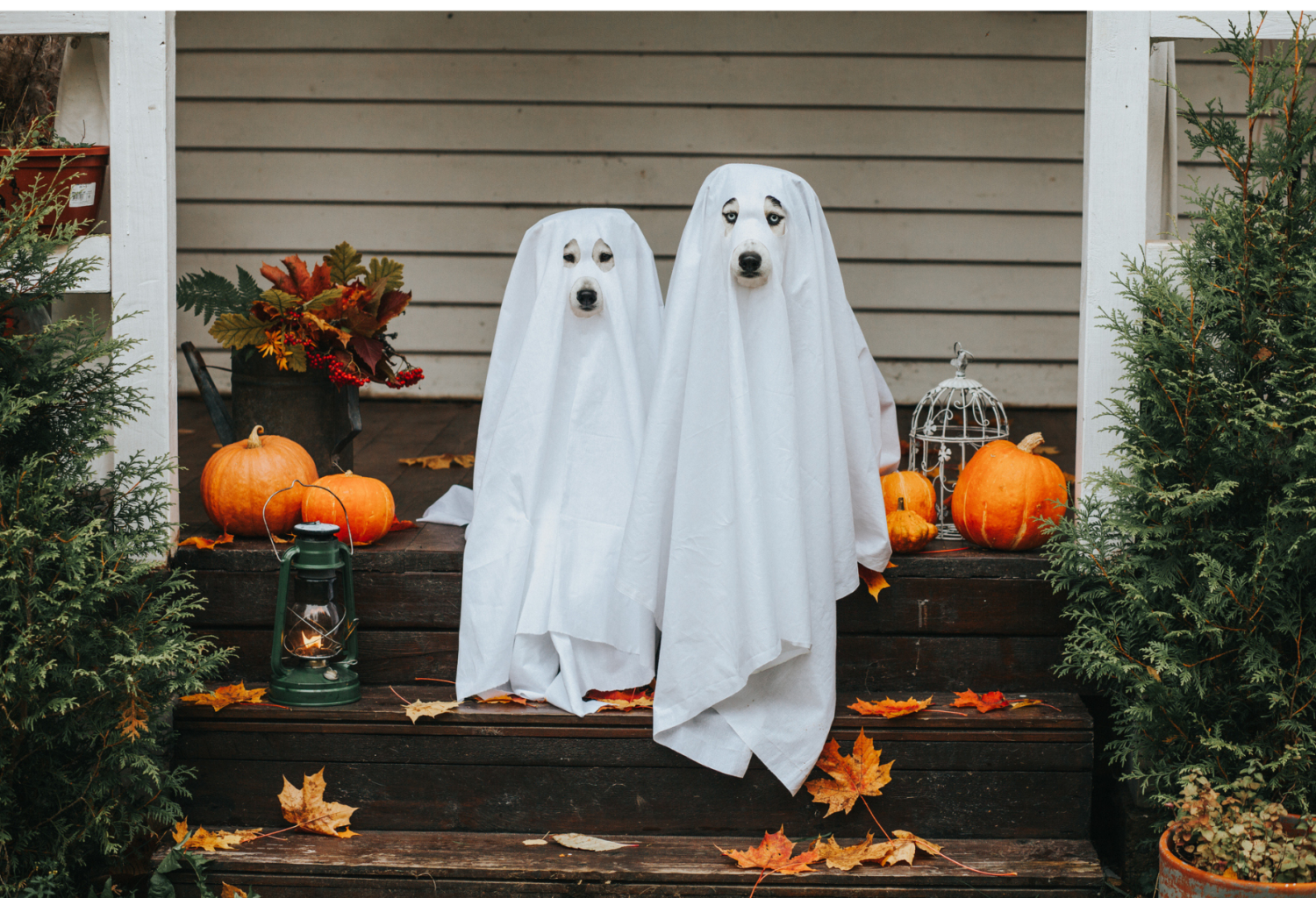
Halloween means fun for everyone…except maybe your client’s pets.
Who doesn’t love spooky season? With all the seasonal treats and events, there’s plenty to look forward to in the fall. But for some, Halloween in particular might be a little too spooky. Amy L. Pike, DVM, DACVB, IAABC-CDBC, explained that although Halloween is a lot of fun for people, the holiday also means a lot of disruptions for pets…and if pet owners aren’t aware of certain hazards, it can be a scary situation for everyone involved.
It’s important for veterinary professionals to communicate with pet owners who might not realize this—certain noises, events, and treats that accompany Halloween might not make pet owners bat an eye but can pose danger and cause stress to their pets.
Advertisement
One simple example? “The doorbell ringing constantly with the trick or treaters,” Pike said. “Of course, that can set dogs off to be reactive just because they’re used to unfamiliar people coming over and . . .ringing the doorbell which sets them off to bark. So that can be really stressful. And even for cats too.”
Pike adds that many seasonal hazards that can be harmful to pets take up a more prominent space on Halloween. In addition to the danger of candy ingestion, pets are also at increased risk for burns on Halloween.
“Around my neighborhood, there are a lot of fire pits,” she explains. “And so that would be another concern: getting fur or whiskers burned by getting too close to the fire.”
Just tricks, no treats?
Although some activities should be off limits or closely monitored by pet owners, Pike notes that these hazards don’t mean that owners and their pets can’t partake in Halloween fun—they just might have to modify them to keep their pet safe and calm. For example, if they want to hand out candy to trick-or-treaters, but the doorbell sets their dog off or sends their cat running under the couch, Pike recommends that these owners sit outside with a bucket of candy to pass out, rather than requiring trick-or-treaters to ring the doorbell to get their candy. This method also works for pets who aren’t particularly social, open to strangers, or comfortable with children.
Pike also adds that some Halloween festivities are perfectly safe for pets, and that safety and comfort are highly individual. Social pets, for example, might love meeting lots of new people on Halloween night. Pumpkin runs and parades that don’t involve fireworks or loud noises can also be fun for active, social pets, and pet costumes are also generally fine as long as a pet is not distressed, anxious, or in danger of getting the costume caught on something while dressed up.
“I had a dog myself that absolutely loved to be in costume,” Pike recalled. “We just thought he liked to be pretty, which is probably not what it was. I think he just liked the one-on-one attention that he got when we dressed him up.”
Spotting a spooked pet
So how can pet owners spot the difference between a pet who loves Halloween festivities and one who feels spooked by them? Pike advises to watch their body language. A dog in distress or discomfort, for example, might blink rapidly, lick their lips often, crouch, tuck their tails, or exhibit what Pike calls “whale eye,” which, she explains, happens when “the whites of the eye are showing because they’re really trying to turn their head.”
Cats present these cues similarly to dogs, but Pike adds that they might also swish their tails or arch their backs like a stereotypical Halloween cat. Both dogs and cats might flatten their ears, snap, bite, growl, and show aggression if in distress or discomfort.
Luckily, the signs a pet is enjoying Halloween are also very similar and easy to spot.
“In addition to a lack of aggression or hostility,” Pike notes, “nice loose body language” is a good sign your dog is enjoying itself. “Dogs [should be] loose and wiggly. They might play bow with other dogs . . . but just really nice, relaxed body features for both cats and dogs.”
Pet parents beware (or just be aware): it’s a pet owner’s responsibility to make choices this Halloween that keep their pet’s wellbeing at the forefront—and those who provide care to those pets have a unique opportunity to support those pet parents in making good choices. Halloween can quickly turn too spooky…or it can be a lot of (safe) fun with the right decisions.
Photo credit: © [sergeeva] + via Getty Images Plus
Disclaimer: The views expressed, and topics discussed, in any NEWStat column or article are intended to inform, educate, or entertain, and do not represent an official position by the American Animal Hospital Association (AAHA) or its Board of Directors.