Clinical
Memorializing deceased patients: an opportunity to strengthen the bond
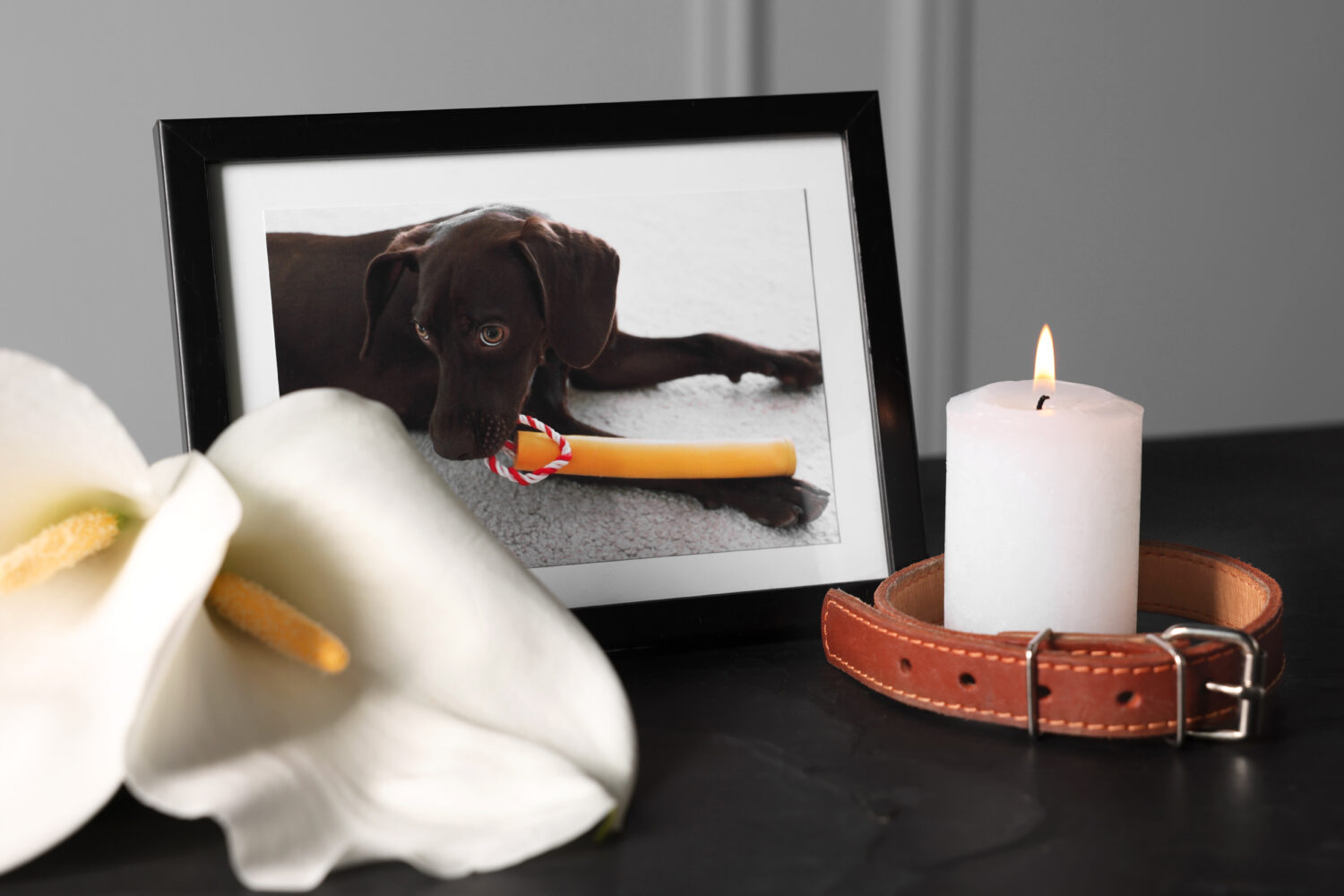
Does your veterinary practice memorialize patients after they have passed? Read on to find some creative ways to support families who have had to say goodbye to their pets and bond them to your practice for life.
Advertisement
As a veterinarian who is not currently practicing, I recently found myself in need of veterinary care when my nineteen-year-old cat, Comet, needed to cross the rainbow bridge. I had some huge advantages that not all pet owners have when they face this difficult decision: my veterinary training helped me to be sure I was making the right decision, I knew exactly what to expect during a euthanasia appointment, and I had a trusting relationship with the practice where we euthanized her.
But of course, I still experienced the grief that comes with having to say goodbye. The AAHA-accredited practice we visited anticipated the difficulty of our emotional experience and took great care of us during our appointment, thinking of every detail to minimize our stress and ensure everyone’s comfort. This came as no surprise to me, but what happened next did.
Advertisement
A few days later, I received a sympathy card in the mail with handwritten messages from several members of the practice team along with inkblot impressions of Comet’s muzzle and paws. This simple gesture helped me to know that Comet was remembered by the team even after she had passed and inspired feelings of gratitude toward the practice and the experience we had there that day.
A golden opportunity
Margaret Spalletta, BA, RVT, Practice Consultant Manager and advocate for AAHA’s End of Life Care (EOLC) accreditation program, said that memorializing patients is an important opportunity to nurture the relationship between pet owners and the veterinary practice even after the pet has passed—and it’s one that often gets missed by veterinary teams. “Being able to continue that relationship even after a pet has passed can be so powerful,” she said.
Not only that, but positive experiences during EOLC make an impact on pet owners—and so do negative ones. “They say that 40% of pet owners would not return to their practice if they’ve had a negative euthanasia experience,” Spalletta added.
Memorializing pets in the practice and at home
In her work inspecting and supporting practices for the EOLC accreditation, Spaletta makes note of some of the creative ideas some practices have already implemented. For example, some practices have beautiful comfort rooms in which they have created memorial walls with pictures of former patients who are now deceased. Other practices have created memorial gardens, water features, or carvings of pets’ initials into trees planted on the hospital grounds. All these displays help current and future clients see that patients are remembered and honored by the practice long after they pass.
In addition to features that remain on the hospital premises, veterinary practices can find a variety of ways to create remembrances for pet owners to keep with them at home. Perhaps the most common of all of them is the sympathy card, a heartfelt reminder that the veterinary team is thinking of the grieving family and grieving with them. Sympathy cards can be made even more personal with the inclusion of a short remembrance of the deceased pet, muzzle and/or paw prints, or a note that a monetary donation has been made in the pet’s memory to an organization that supports animal health and wellbeing (like a veterinary school or a humane society).
The sympathy card is far from the only memento that practice teams can create in honor of their deceased patients. Keepsake pawprints can be made from clay; locks of hair can be preserved in empty vaccine vials with a ribbon tied around the top; some practices create their own shadowboxes for families to display prints and locks of hair from the pet.
Spalletta has also seen practices recruit staff members’ children to draw pictures of how they envision pets’ afterlife to be and then gift these heartwarming pictures to grieving families. She encourages practices to lean into the creative talents and interests of their team members—whether that’s painting shoeboxes for clients to use as a memory box or to transport smaller pets home for burial or making heart-shaped cutouts out of vet wrap to wrap the pet’s collar in. These efforts can surprise and touch clients in their hour of greatest need, and in some cases, bond them to your practice “for life,” Spalletta said.
Doing good in memory of a pet
While traditionally many ways to memorialize a pet have revolved around actions the practice takes, some hospitals have created opportunities for the pet owner to be involved in the creation of the memorial. One hospital gives clients the option to purchase a personalized brick to line a memorial pathway on the hospital grounds. The proceeds from the purchase are donated to a charitable foundation that helps fund needed veterinary care for pet owners with limited resources and support local humane societies and rescue groups.
Practices can create a similar opportunity internally by establishing an angel fund to help support clients who cannot afford their pet’s needed veterinary care and inviting other clients to donate in memory of their deceased pets.
Providing as positive of an end-of-life experience as possible is one of the most important things we can do for our patients and their families. Taking the extra step to memorialize their pets can help families know their pet’s memory lives on and further deepen their trust and gratitude toward the whole team.
Additional resources:
2016 AAHA/IAAHPC End-of-Life Care Guidelines
AAHA End of Life Care Guidelines Certificate Course
Photo credit: © Liudmila Chernetska + via Getty Images Plus
Disclaimer: The views expressed, and topics discussed, in any NEWStat column or article are intended to inform, educate, or entertain, and do not represent an official position by the American Animal Hospital Association (AAHA) or its Board of Directors.