Behavior
Merry and bright or holiday fright? Holiday safety tips for clients and their pets
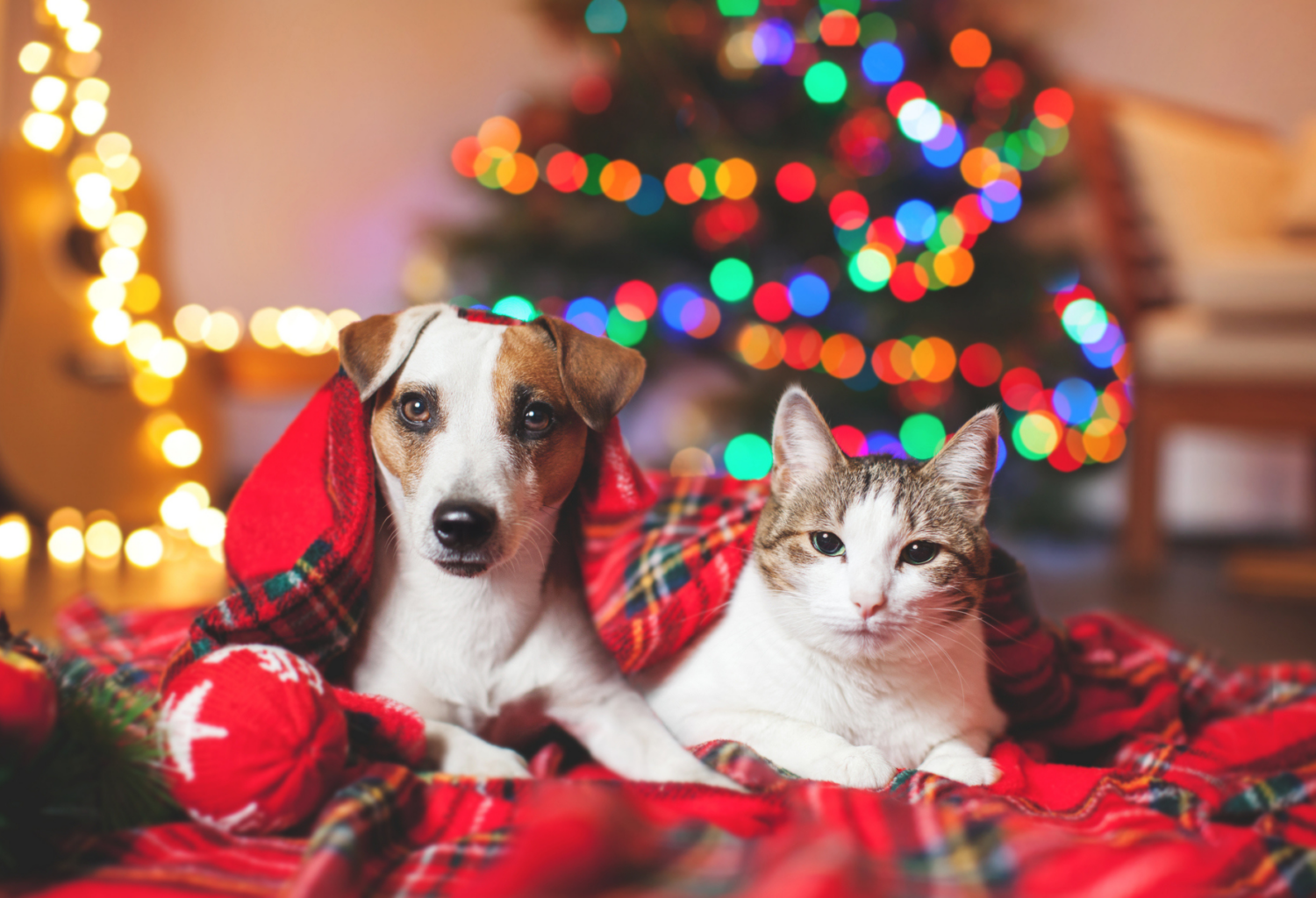
Keep the holidays magical for your clients and their pets by sharing safety tips for enjoying wintertime fun.
Advertisement
It’s the most wonderful time of the year—especially when your clients know what winter hazards to look out for. Although the holidays can mean fun for pets and their owners, the old “safety first” rule applies now more than ever, as frigid temperatures, busy gatherings, and even holiday decor can pose hazards to our clients’ beloved pets. According to veterinary behaviorist Amy Pike, DVM DACVB, IAABC-CDBC, a veterinary behaviorist at the Animal Behavior Wellness Center, there are key safety tips to be aware of this time of the year, several signs for pet owners and veterinary professionals to look out for, as well as winter activities that are perfectly fine to enjoy with our furry friends.
Let it snow (but stay warm!)
Although certain activities like hiking, snowshoeing, cross –country skiing, and holiday light shows are perfectly safe for some adventurous pets (usually dogs, unless you have a fearless feline), Pike notes that “with the cold weather and snow, there is a risk of hypothermia” that clients might not be aware of.
Advertisement
However, that doesn’t mean that pet owners can’t enjoy these festive activities with their pets by their sides. If a pet owner expresses an interest in these activities, Pike recommends advising them to “get [their] dog acclimated to the weather changes over a couple week period of time by spending more and more time outside. They also make boots and coats that you can get them used to wearing (the boots especially).”
As far as events like light shows go, Pike notes that although there’s generally no harm in these festivities, there will likely be other dogs and crowds of people present. A simple safety tip for activities like these: “If [a] dog is scared or aggressive towards people or dogs, this will not be a good venue to take them to,” she notes.
Santa Claws is coming to town (and so is family)
Family gatherings around the holidays can be stressful for a variety of reasons, and Pike notes that pets aren’t exempt from some of the anxiety that accompanies them … even if their source of stress probably isn’t an overbearing mother-in-law or a creepy uncle.
“Holiday gatherings are another area where if [a pet] is scared or aggressive towards people, they will need to be put away and managed during the time when people are over,” she explained.
On the flip side, Pike adds that owners should watch out for “signs of separation-related behavior when the caregivers leave the dog home alone to go to holiday celebrations.” Veterinary professionals can advise that owners give pets a trial run when their owners won’t be absent for as long. “They can video the dog when they’re home alone to determine if separation-related behavior is present,” Pike explained.
Deck the howls?
Holiday decor like tinsel, lights, ribbons, and seasonal plants can also be hazardous to pets (more content on those is coming in December’s My Pet Ate feature later this month), and although we normally associate fireworks with the Fourth of July, they are also relatively common accompaniments to New Year’s celebrations and can make pets anxious or scared.
One safety tip Pike offers is to be on the lookout for signs of distress when it comes to fireworks and gatherings include “rapid eye blinking, dilated pupils, whale eye [where the whites of a pet’s eyes show], wrinkled brow, lip licking, ears pinned back, or signs of aggression: snarling, growling barking, lunging.” Veterinary teams can advise owners to stay attuned to their pet’s comfort level “by watching their body language and making sure you don’t see any signs of anxiety” during holiday fun.
Spread holiday cheer by spreading the word
Veterinary professionals play a huge role in communicating such hazards and risks to their clients so they can have a happy holiday with no emergency vet visits. And even if clients are out traveling more this time of the year, their care team can still reach them if they use technology to share safety tips.
“Social media is the best way I have found to reach our clients—posting about these holiday/winter hazards on Instagram/Facebook etc.,” Pike said. “Most EMR systems also have the ability to send out mass emails or you can use sites like Canva to make fliers and email clients.”
Empowering owners to embrace holiday fun while staying safe is the best gift veterinary professionals can offer during the holiday season. After all, ensuring the happiness, health, and safety of pets during the holiday season is real-world holiday magic.
Photo credit: © TatyanaGI via Getty Images Plus
Disclaimer: The views expressed, and topics discussed, in any NEWStat column or article are intended to inform, educate, or entertain, and do not represent an official position by the American Animal Hospital Association (AAHA) or its Board of Directors.