Heat safety warnings for veterinary teams and pet owners
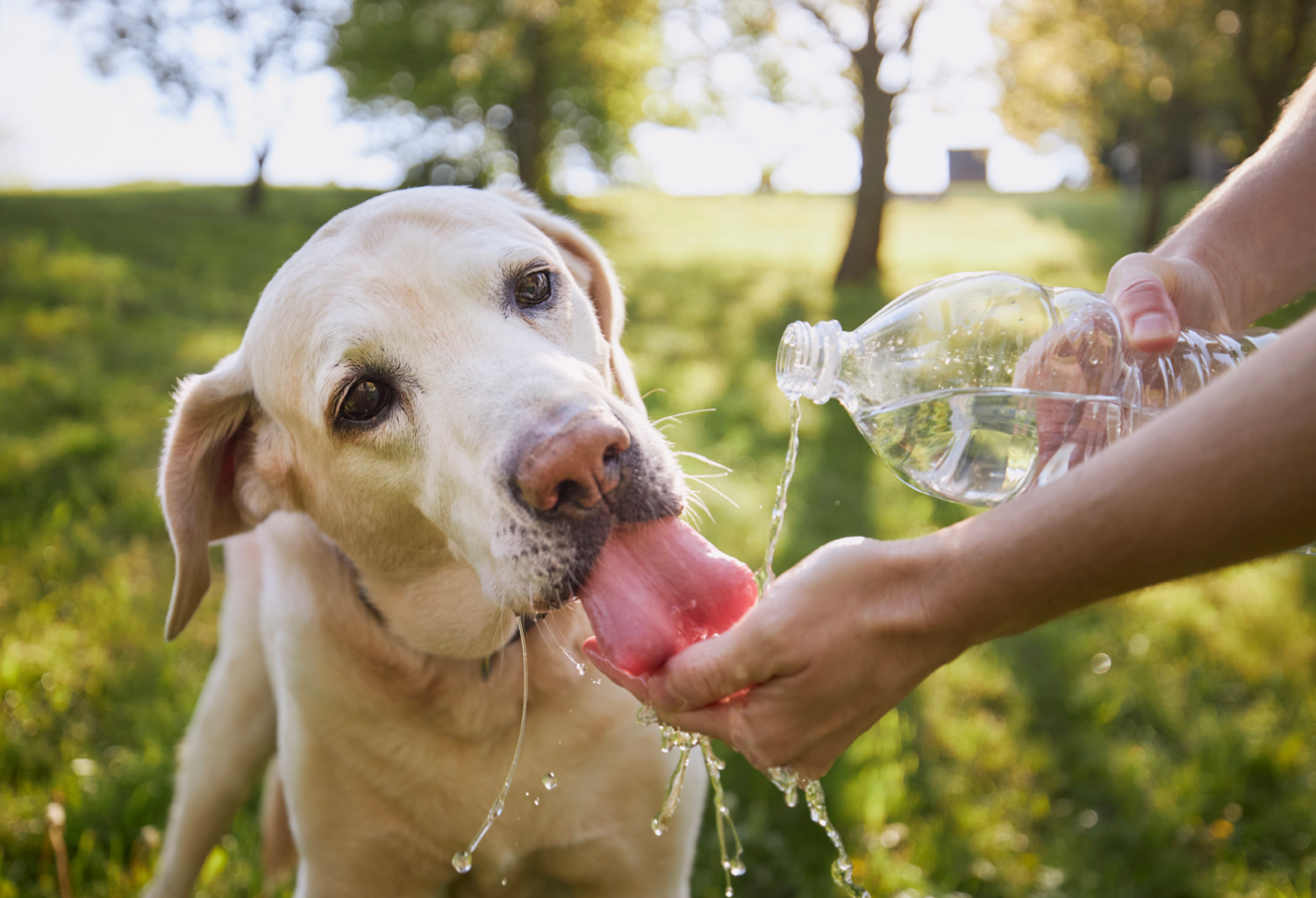
By knowing the risks of heat-related health issues, veterinary teams and pet owners can take a proactive approach to heat safety and protect pets from the dangers that accompany the joys of summer sun.
For many people and their pets, summer means pool trips, dog parks, long hikes, and other forms of outdoor play. While veterinarians certainly want pet-owning families to lean into summer fun, it’s important to ensure that pet heat safety is part of the plan.
To protect pets during the summer, pet owners must be made aware of the health risks that accompany the summer heat, including heat stress, heatstroke, paw pad burns, and sunburn.
Advertisement
Overheating or heat stress
Heat stress occurs when a pet becomes overheated for a short period of time but can be cooled off without long term consequences. Unmanaged heat stress can progress to heatstroke, which is life threatening.
Signs of heat stress can include:
- Seeking shade or trying to lie down
- Excessive panting
- Red tongue and gums
- Sticky, thick saliva
Although “heat” is the operative word in “heat stress,” temperatures don’t have to be blistering to be harmful to your pet.
“It doesn’t even need to be extreme heat for this to happen, especially with susceptible enough dogs,” says Kimberly Lutz, DVM CVMA, an associate veterinarian at Craig Road Animal Hospital, an AAHA-accredited practice. Pets susceptible to overheating and other heat related health issues could include brachycephalic (flat-faced) breeds and those with certain health conditions like obesity, heart disease, or respiratory disease.
Lutz notes that in her Las Vegas practice, many brachycephalic dogs start to come in for heat stress and heatstroke in the spring and early summer before the temperatures are at their hottest because this is when pet owners are more frequently taking their pets outside.
“Consistently brachycephalics are disproportionately affected by the heat and they can be affected by spending mere minutes outside,” she says. “With the rise in popularity of brachycephalics over the years, those make up the majority of our heat related cases.”
Pet owners who notice overheating in their pet should take the pet to a cool, shaded place and give their pet water. They can also spray cool water on their pets and put a fan on them. However, if there are signs of heatstroke (like excessive panting, vomiting, and other symptoms listed below) or the pet isn’t cooling down, the pet owner should take their pet to a veterinarian to rule out and avoid progression to heatstroke.
Pets who are hot and panting or breathing rapidly become dehydrated more quickly than pets in cool environments. Dehydration can contribute to heat stress and heatstroke. Always make sure that pets have access to water when outside in the heat.
Heatstroke
Heatstroke occurs when the pet’s temperature rises too high (usually above 105°F) and they cannot cool themselves effectively. Prolonged hyperthermia can damage every organ in the pet’s body.
In other words, heatstroke is an emergency. The following symptoms are indicators of heatstroke:
- Excessive panting
- Hypersalivation/drooling
- Listlessness or lethargy
- Muscle tremors
- Vomiting
- Diarrhea (often bloody)
- Collapse
- Loss of consciousness
- Confusion
- Seizures
If a pet owner is concerned their pet is experiencing heatstroke, Lutz recommends that the owner spray cool (not cold) water on the pet and immediately bring them to an emergency clinic. “Heatstroke is very serious and causes death in upwards of 50% of those affected,” she says. “Further treatment in hospital has to take place.”
According to Lutz, treatment in the hospital usually lasts two to three days or longer. While in the hospital, the pet will receive supportive care, including intravenous fluid therapy, monitoring of internal organ function and blood coagulation, and medications to protect the gastrointestinal system.
Keep in mind that it doesn’t have to be extremely hot outside for a pet to experience heatstroke. Lutz mentions that most of the heatstroke cases she sees in Las Vegas occur in the spring or early summer. In the late summer, temperatures in Las Vegas rise so high that people don’t want to be outside. Because people aren’t taking their pets outside, the number of heat stroke cases in Las Vegas actually decreases in the late summer when it’s hottest.
Pets left alone in vehicles can also quickly develop heatstroke. Pet owners should never leave their dog or cat alone in a hot car, even for a few minutes. Similarly, veterinary teams should not allow patients to wait alone in a car for appointments.
Thermal burns on paw pads
Pets who go for walks on hot pavement are at risk for thermal burns on their paw pads. The surface heat of asphalt, concrete, sand, and metal can be up to 40 to 60 degrees hotter than the air temperature. For example, on a sunny 85-degree day, the asphalt can be 135 degrees which is hot enough to burn your pet’s paws within a minute.
Signs of burned paw pads can include limping, reluctance to walk, blisters or redness on the paws, licking or chewing at the paws, and vocalizing when pressure is applied to the foot.
Lutz states that boots or shoes for pets are “an easy way to protect the paw pads from the extreme heat of a sidewalk.” Pet owners should also consider taking their pets for walks during cooler times of day and selecting shaded routes.
If a pet burns their paw pads, owners should get them away from the hot surface and rinse their feet with cool (not cold) water. Ice should not be applied to their feet. Pet owners should contact their veterinarian for further treatment.
Sunburn
Because most pets have fur, it’s easy for pet owners to overlook the risk of sunburn. Pets at an increased risk of sunburn include:
- Hairless dogs and cats (e.g. Chinese crested dog or Sphynx cat)
- Breeds with short, thin hair and/or fair skin
- Pets with medical conditions that cause hair loss
Areas to look for sunburn include the ear flaps, the bridge of the nose, the belly, the groin, and any shaved areas.
Not only is sunburn painful for pets, but it also increases the long-term risk of developing skin cancers like squamous cell carcinoma.
If the sunburn is severe enough to cause blistering or wounds, or if the pet appears to be uncomfortable, it is best to seek veterinary attention. Treatment may include topical ointments and pain-relieving medications.
Pet owners should consider pet-safe sunscreen if their pet is at risk. The sunscreen can also be applied to exposed areas, such as the bridge of the nose. UV blocking clothes may be used, but the pet owner and veterinary team will need to weigh the risks of overheating versus the risk of sunburn.
The role of the veterinary team
Pet owners may not consider the risks of summer heat and sun, and it’s the job of veterinary professionals to remind their clients to consider summer safety for pets. Lutz recommends that veterinary teams warn their clients during annual appointments to be vigilant and to “utilize social media and other similar platforms to educate our clientele about the upcoming dangers of warm temperatures.” And don’t forget to share summer safety tips for outdoor cats!
Consider carrying and/or having specific recommendations for products like pet-safe sunscreens, paw protectors, and UV blocking clothes. Veterinary teams should provide water for patients on hot days, especially if they’re spending time waiting outside, and should not allow patients to wait alone in a vehicle for an appointment.
Together, veterinary teams and pet owners can discuss the risks and develop preventative strategies to keep pets safe from the summer heat.
Photo credit: © chalabala + via Getty Images Plus
Disclaimer: The views expressed, and topics discussed, in any NEWStat column or article are intended to inform, educate, or entertain, and do not represent an official position by the American Animal Hospital Association (AAHA) or its Board of Directors.