My pet got into the Halloween candy bucket, now what?
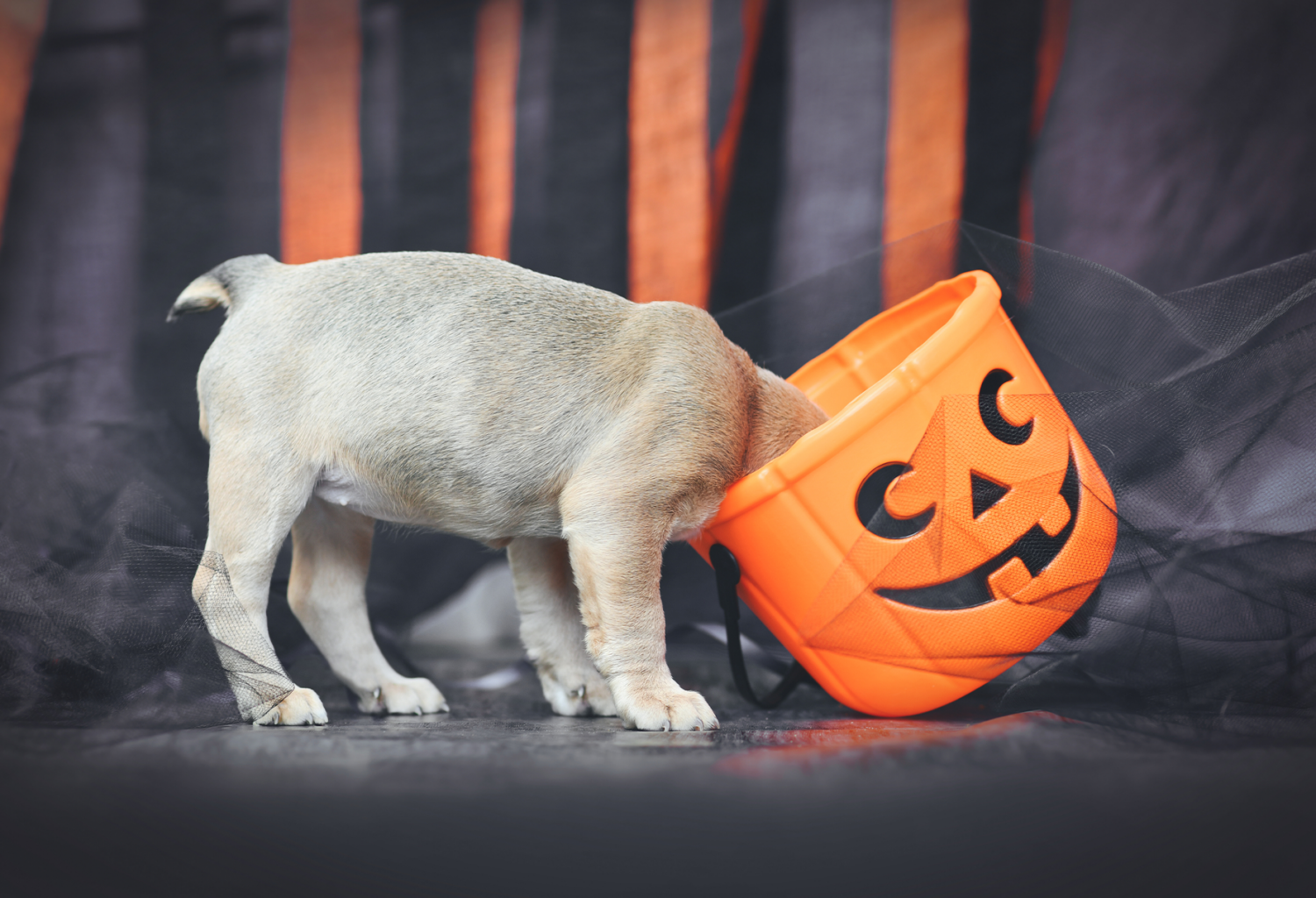
Year after year, veterinary teams and organizations like the Pet Poison Hotline hear similar stories. Whether it’s the dog getting into the candy bucket or the cat chewing on a glow stick, here are some things to remember as we head into Halloween.
Advertisement
If your pet ingested a substance and you’re unsure if it’s toxic, call your veterinarian or an organization like the Pet Poison Helpline immediately to get your questions answered.
It is almost impossible to think of a Halloween and not envision a bucket full of sweets sitting on the counter after a successful evening of trick-or-treating. From chocolate bars to gummy worms, it’s common to have candy and other Halloween bucket knickknacks lying about in October.
Advertisement
With that said, it’s clearly no surprise that organizations like the Pet Poison Hotline see a lot of calls this time of year. Our pets love candy just as much as we do, but often the ingredients in that candy do not love our pets back.
Chocolate bars
When we think about what the quintessential Halloween candy is, a chocolate bar might be the first thing that comes to mind, notes Renee Schmid, DVM, DABT, DABVT. As the Director of Veterinary Medicine and Senior Veterinary Toxicologist for the Pet Poison Helpline, she says those chocolate bars are also something that dogs love to get into this time of year—and it’s important that we all take precautions to ensure that doesn’t happen.
“One of the big things we have to be concerned about with chocolate is that theobromine, which is that toxic component that’s in chocolate and depending on how much the animal eats, they can have stomach upset, a lot of hyperactivity, high heart rate, body tremors or seizures, and maybe even heart arrhythmias, depending on how much they get into.”
On that same note, when a dog gets into the candy bucket, it’s more than likely they will also eat the candy wrappers on that chocolate. “Depending on how many candy wrappers they get into, then we can even have a foreign body or an obstruction concern,” she adds.
Gummies and other sugar-based candies
While chocolate is certainly a common item given out at Halloween, there are other types of candies that land in those candy buckets as well. Snacks like gummy worms, gummy bears, and other sugar-based candies can also be ingested by our pets. While there is no toxic risk upfront, those candies can cause other issues.
“If a large amount of those are ingested, then that candy can cause a fluid shift or a little bit more water coming into the gut,” Schmid said. “With that, we can see some electrolyte changes that then can cause body tremors and seizures and high sodium levels to occur.”
What to look out for
Xylitol, which is often associated with sugar-free candies, can also sometimes be found in other candies with sugars in them. She notes it is important to check the ingredients to see if a candy contains xylitol. “Xylitol’s a real concern in our dogs where we can see low blood sugar, and we can see liver failure developing,” she added. Luckily, Schmid notes, xylitol is not a concern in cats.
Raisins are another common Halloween item that can cause serious issues in both cats and dogs, including kidney failure. “We really have to be very careful,” she noted. “Even in a large Labrador retriever that gets into one of those small snack size containers of raisins, it can be enough to cause kidney failure for them.”
Other Halloween bucket items
Anyone who has trick-or-treated before knows that candy is not the only thing given out. From glowsticks to plastic rings and other toys, dogs and cats alike can get into those, too.
“Cats, for some reason, tend to be really attracted to those glow sticks and like to chew on them. Fortunately, the material that’s in the glowstick isn’t going to be a toxic concern,” Schmid added. However, the plastic that glowsticks come in can be of concern.
If a cat or dog does get into the glowsticks and breaks one open, while it is not toxic, there still can be some side effects. “They might salivate or drool excessively, maybe they’ll smack their lips a little bit, maybe even have an episode or two of vomiting, but it’s not going to be a big concern for anything serious to occur,” she noted.
Other items like plastic toy rings, or fake plastic spiders can be of concern if a pet gets into them. “If they were to ingest some of those plastic pieces, then that can be a concern for a foreign body in the stomach.”
At the end of the day, knowing what to keep an eye out for—and communicating that to pet owners—can save you some headaches from a hungry pup or curious cat down the road.
Our “My Pet Ate” series is done in collaboration with the Pet Poison Helpline. You can learn more about the services they offer on their website or by calling (855) 764-7661.
Photo credit: © Firn + iStock via Getty Images
Disclaimer: The views expressed, and topics discussed, in any NEWStat column or article are intended to inform, educate, or entertain, and do not represent an official position by the American Animal Hospital Association (AAHA) or its Board of Directors.