Clinical
Are You Laser Focused?
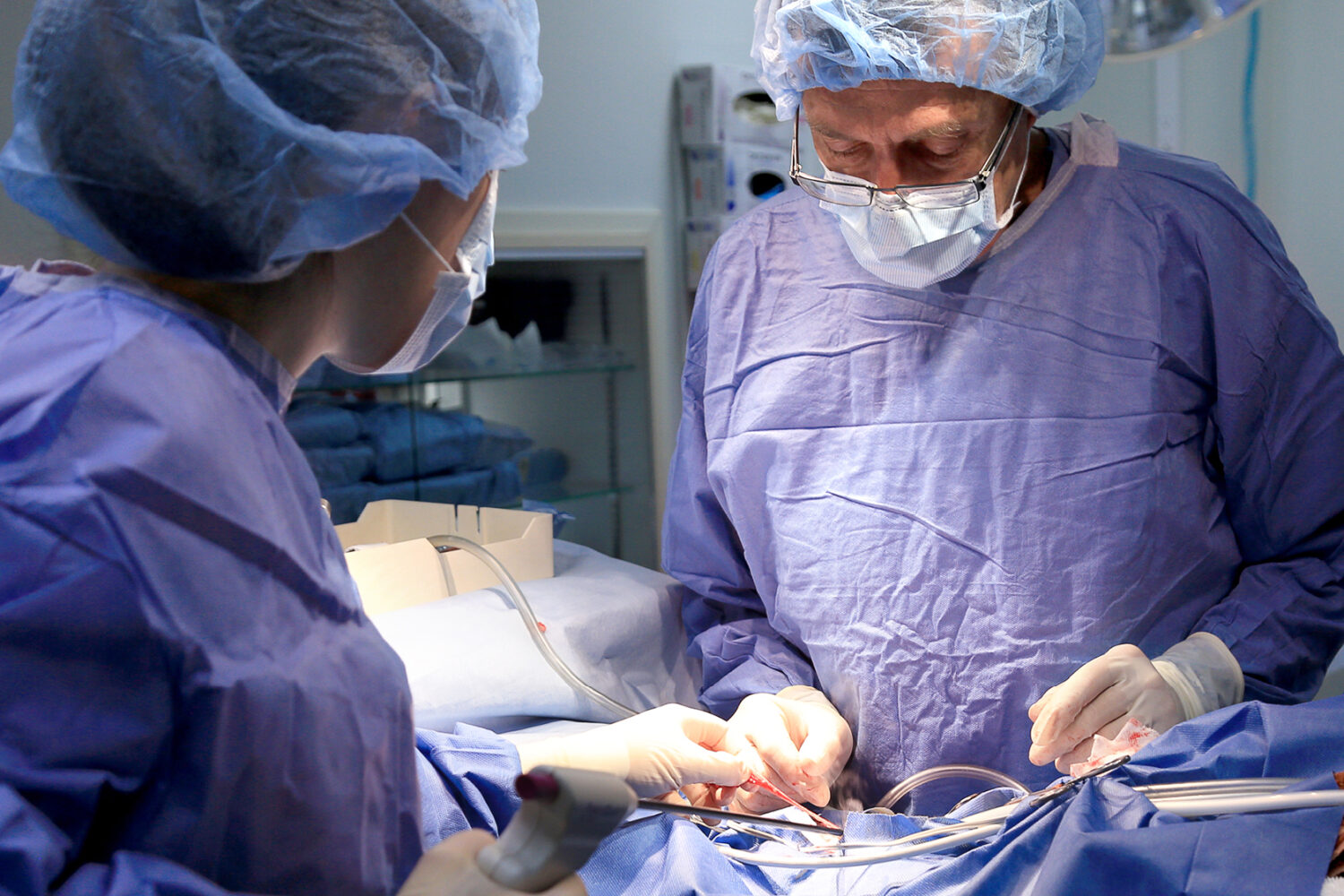
Is a surgical laser a valuable tool or an expensive toy? Many veterinarians are wondering the same thing. On one hand, the promise of less pain and inflammation, better hemostasis and potentially faster healing is appealing. On the other, it is reasonable to be skeptical of whether clients will opt for the increased surgical costs.

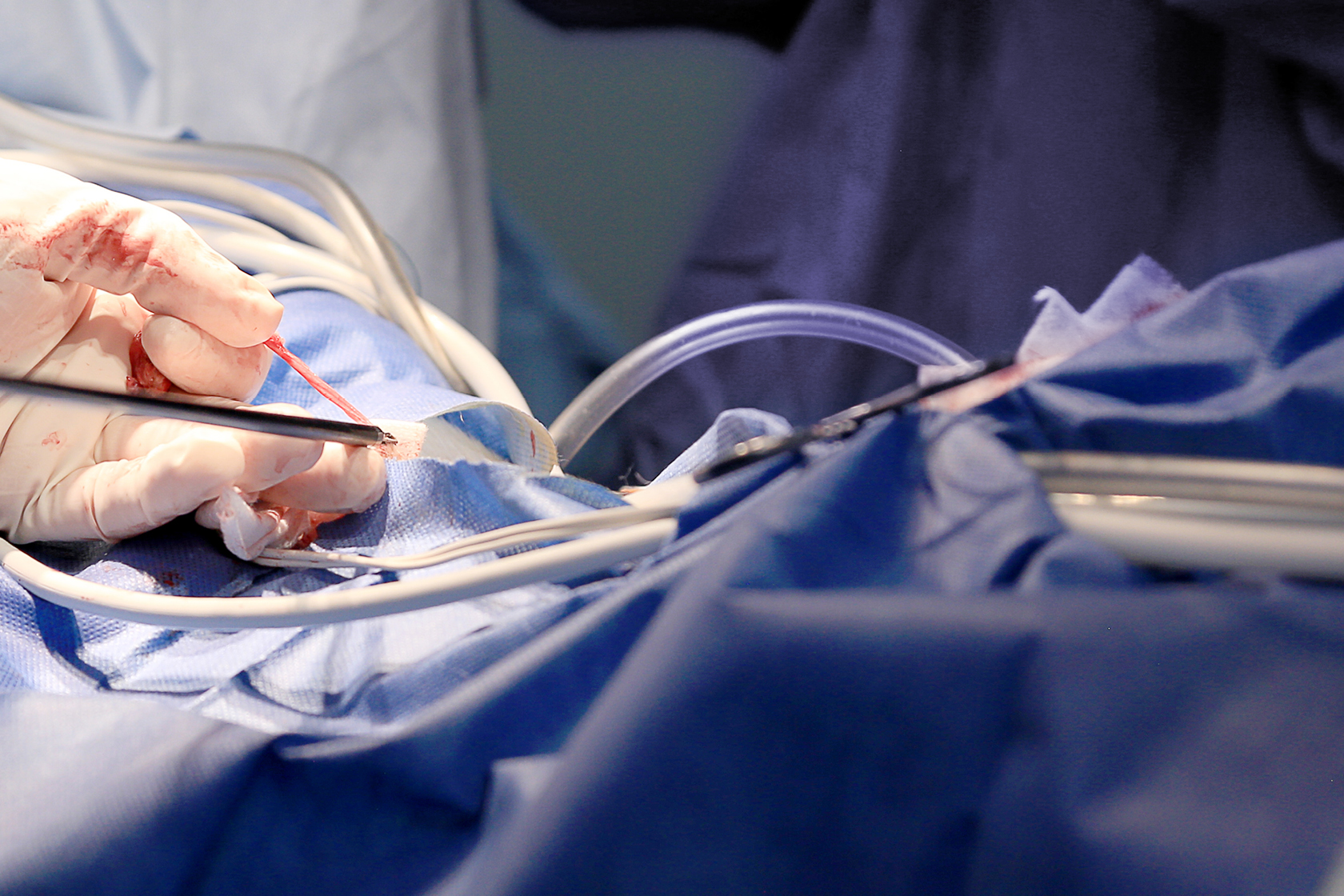
Surgical lasers provide a very precise tool for incising and excising tissue while sealing small blood vessels and nerve endings.
Pros and Cons
So what are the pros and cons? Surgical lasers provide a very precise tool for incising and excising tissue while sealing small blood vessels and nerve endings. The claims that they can reduce surgical pain, hemorrhage, and possibly swelling are well founded. Additionally, laser energy is locally antimicrobial, potentially reducing surgical site infection.
For the veterinarian who is new to the technology, surgical time can initially be prolonged; however, with experience and familiarity, it is not significantly different than using a scalpel. In fact, lasers can decrease surgery time. For some procedures such as soft palate resection in brachycephalic dogs, surgical time drops from 30–45 minutes or more using traditional instruments and suturing, to literally 10 minutes with little or no hemorrhage or swelling to manage.
Compared to some other capital investments, adding laser surgery to your practice can provide a significant profit center as well.
There are very few cons, but there are some. Lasers are not inexpensive; however, most veterinarians find that the cost can be quickly recouped.
Additionally, laser use is limited to predominantly superficial soft tissues and those that can be easily exteriorized, although most of a general practice’s surgical cases likely fall within this category.
For the veterinarian who is new to the technology, surgical time can initially be prolonged, however with experience and familiarity, it is not significantly different than using a scalpel. In fact, lasers can decrease surgery time.
The plume created from vaporized tissue is potentially harmful to the operator and those nearby. Manufacturers offer “smoke” evacuators, which, if used properly, significantly mitigate this risk.
Novice users often initially use excessive power or move the laser through tissue too slowly, resulting in significant collateral tissue damage and reduced healing. This is usually overcome with experience and education on proper technique, and the learning curve for appropriate use of a surgical laser is fairly short. Any veterinarian who is comfortable with surgical techniques can easily master laser surgery.
Laser light can cause permanent retinal damage and injury to exposed collateral tissue (including your own). Protective glasses are essential and are provided by all manufacturers and after-market suppliers. Proper technique and appropriate handling of the device should minimize the risk of collateral tissue injury. It is imperative to remember that laser light reflected off of shiny surfaces such as surgical instruments can also result in injury to the pet or health care team nearby.
While laser use around the oxygen-rich environment associated with anesthesia carries inherent risk, that risk can be easily mitigated with proper technique, even in and around the intubated oral cavity.
It should go without saying that, like any other piece of medical equipment, if it doesn’t get used, it cannot generate revenue. Sure, lasers are arguably just another means to incise or excise tissue. But they do have capabilities that can make surgery quicker and more convenient for you and less bloody and painful for your patients.
Before You Buy
If you are considering buying one for your practice, it behooves you to speak to one of the surgical laser manufacturers about options and costs. Also, speak to colleagues who have incorporated laser surgery into their practice as they can provide useful tips on situations in which they utilize the laser and how they sell and charge for the service.
Then, develop a plan to market the service to your clients. Laser manufacturers provide effective client brochures and clinic signage which will highlight the benefits to your patients. This educational material, delivered at the time of the recommendation for surgery, will help in your team’s efforts. As with most services, clients generally accept associated costs if they perceive value associated with it. Be sure that you educate the staff so that they understand—and can convey—the benefits of offering this service to your clients.
Veterinary technicians have a unique opportunity to provide education to the clients and to answer any questions that a client might have about laser surgery immediately following an appointment where surgery is recommended. They are also integral to keeping the equipment prepared for surgery and in assisting with evacuation of the vaporized plume and ensuring the safety of the patient and staff during the procedure.
There is a wealth of literature references and several very good textbooks that focus on the use of surgical lasers in veterinary medicine. Below are several references that may be useful in your decision-making process.
Photo credits: ©AAHA/Robin Taylor
Further Reading
- Clark, Geoffrey DVM. “Carbon Dioxide laser surgery in dogs.” Canine Sports Medicine Update, October, 1997
- Godbold J. “CO2 Laser surgery: Selecting the best delivery system.” Veterinary Practice News. 2011;6.
- Godbold J. “CO2 Laser surgery: Standard of care.” Veterinary Practice News. 2012;3:22-23.
- Lucroy M.D. and Bartels K.E. “Surgical Lasers,” Textbook of Small Animal Surgery. Slatter, 3rd Edition, 2001
- Winkler C.J. “The ideal laser scalpel.” Laser Surgery in Veterinary Medicine. Hoboken, NJ: Wiley Blackwell; 2019:32-41.