Choosing a Safe Pet Halloween Costume
Who can resist a pet dressed in an adorable—or terrifying—Halloween costume? Although dressing up may seem fun, not all pets are comfortable wearing clothing. Plus, some pet costumes are potential pet hazards.
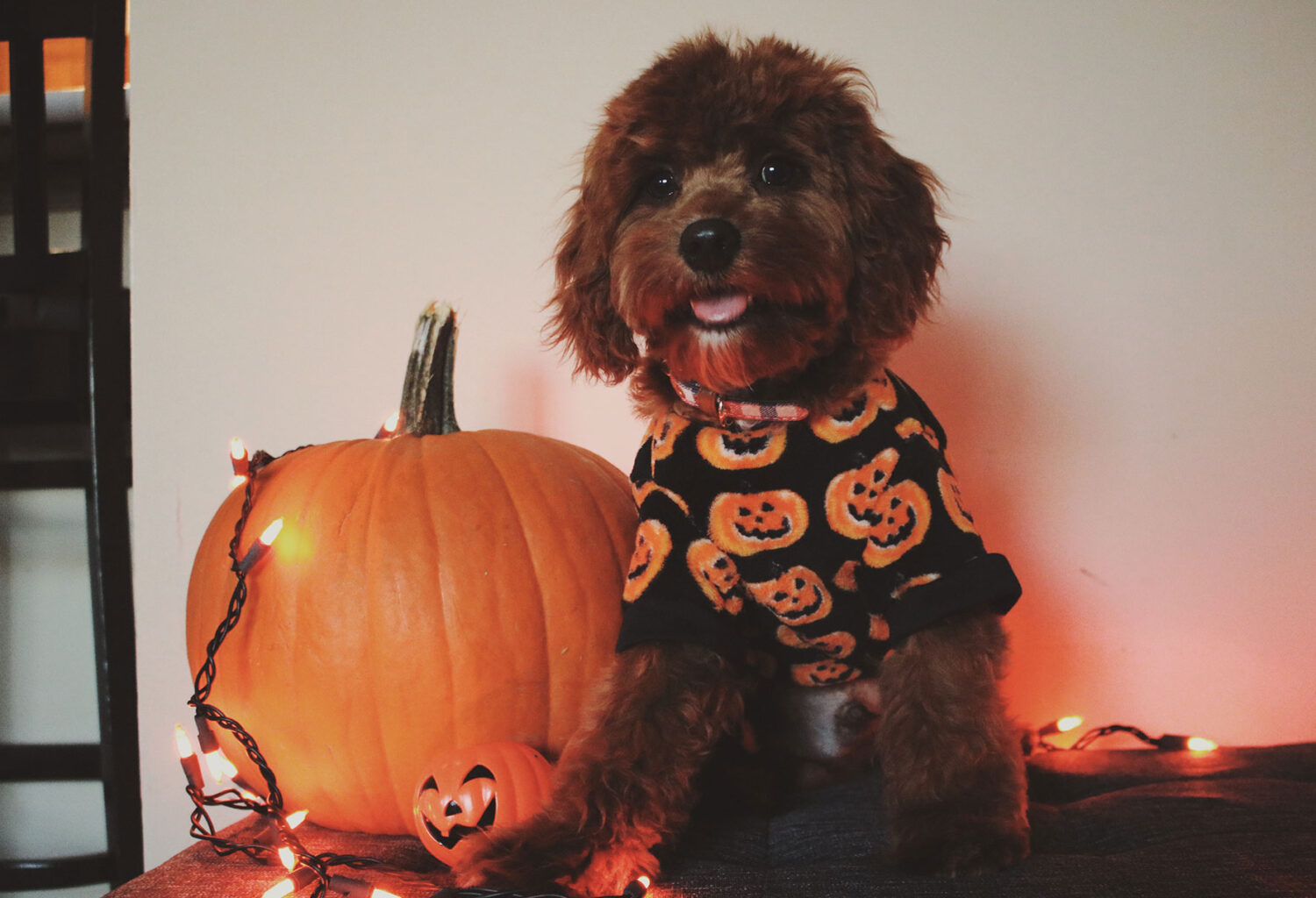
If you want your pet to wear a costume this year, choose one based on several necessary safety factors rather than the cuteness factor alone. Here are some potential pet Halloween costume dangers and how to choose the right one for your furry pal this year.
Are pet Halloween costumes safe?
A pet Halloween costume’s safety depends on the individual pet and the costume type. Also, only dress pets who are accustomed to clothing, like jackets or sweaters, and be mindful that costumes draw attention. Does your pet like meeting strangers, or would they rather keep to themselves?
Advertisement
Several other factors can contribute to a costume’s safety, including:
- Restrictions — Costumes that restrict movement, breathing, vision, or hearing can cause physical or emotional distress.
- Fabric — Poor-quality fabric can cause skin irritation, allergic reactions, or trap heat.
- Ornamentation — Some costumes contain small or dangling parts, like buttons or ties, that your pet could chew or swallow.
- Irritation — Secondary costume features, like hats, masks, or mittens, can irritate or distract the furry wearer.
Choosing the right Halloween costume for your pet
Choosing the right pet Halloween costume is like choosing clothes for people—you must aim for the proper fashion-function balance. Here are a few tips to help you find a suitable costume for your furry pal:
- Get the right size — Measure your pet and purchase according to the size chart to ensure the proper fit—too tight and your pet will struggle to move, too loose and your furry pal could trip, get a leg stuck inside, or fall.
- Go for simple designs — The more straightforward the costume, the safer. A simple cape, bandana, or one-piece shirt or dress without extras reduces bulk and minimizes risks.
- Factor in the weather — Be mindful of expected temperatures relative to the costume’s fabric. Choose something light and breathable in hot climates and thicker for cold climates.
When to skip the pet Halloween costume
If your pet truly hates dressing up, don’t force them. Signs of a pet’s anxiety or discomfort while wearing a costume include refusal to move, scratching or biting at the outfit, and subtle stress displays like lip-licking or yawning. Try a low-stress alternative, like a bandana or festive collar, if the costume is a no-go. Or, partake in the fun without a pet Halloween costume—let your pet participate in special games, take them to the pumpkin farm, or bake them special pet-safe Halloween treats.
Beyond the costume: Pet Halloween safety
Choosing a safe pet Halloween costume is only one aspect of Halloween safety. Other dangers include:
- Toxic foods — Treats and candy that include chocolate, xylitol, and raisins can cause toxicity. Keep all Halloween treats out of your pet’s reach.
- Escape risks — Secure pets indoors to prevent them from slipping out the door as trick-or-treaters arrive. Ensure your pet’s tags and microchip data are current in case they get lost.
- Stress and anxiety — Costumes aren’t the only cause of anxiety for pets on Halloween. Ringing doorbells, crowds, and noise can upset sensitive pets, so keep them in a safe, quiet space away from the door.
Always choose safety first when deciding whether to dress your pet in a Halloween costume. Select a costume that fits well, has a simple design, and is made with soft, breathable fabrics. If your pet still becomes stressed in their new ’fit, switch to something less intrusive or skip the costume altogether.
For more information about ensuring a pet-safe Halloween experience, contact your AAHA-accredited veterinarian.