Don’t Go! Separation Anxiety in Pets
Separation anxiety, a behavioral condition that occurs when pets become distressed and anxious during their owner’s absence, can be stressful for pets and owners alike. Understanding the root causes and separation anxiety signs, as well as implementing effective strategies, can significantly improve your pet’s quality of life and strengthen your bond.
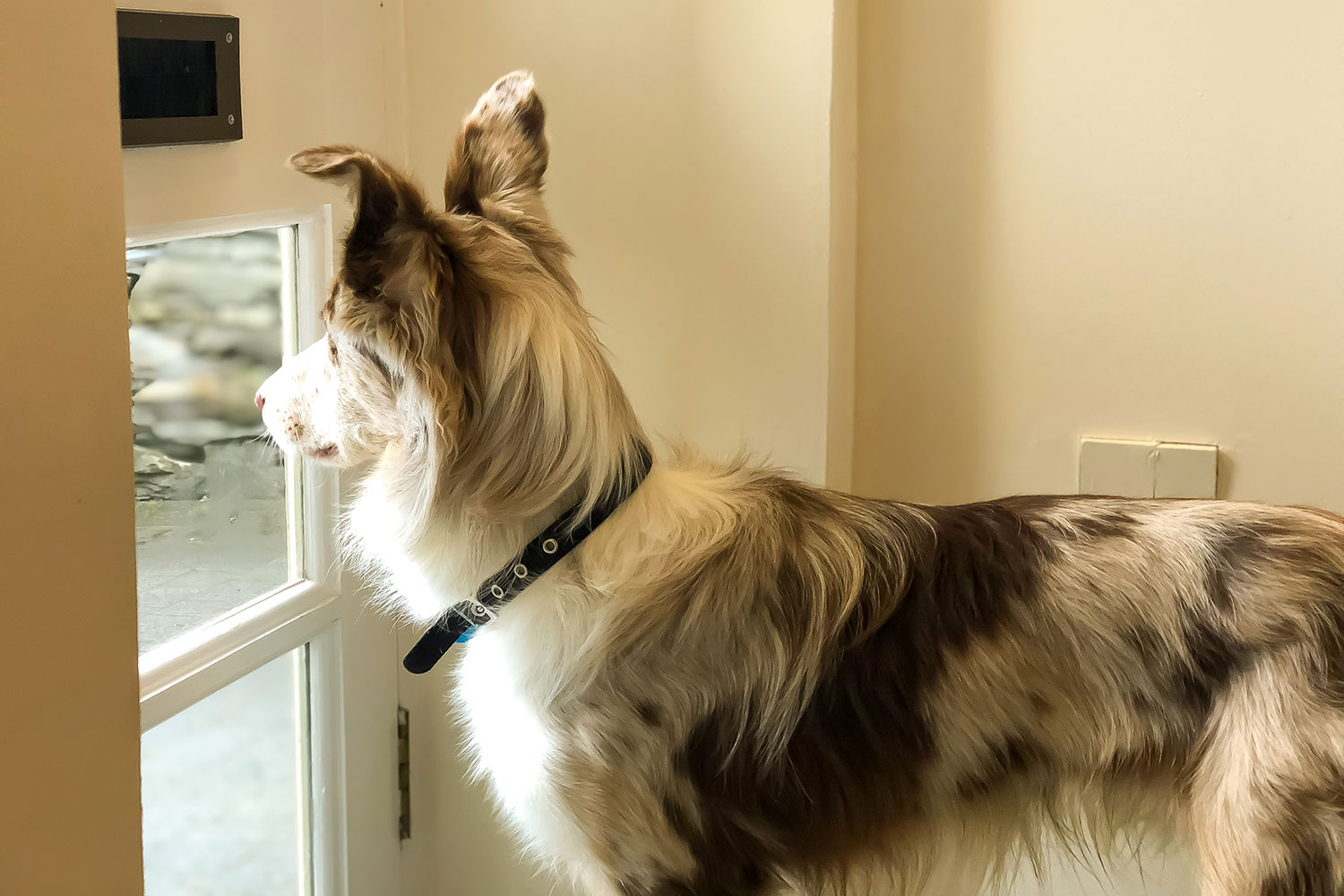
What is separation anxiety in pets?
Separation anxiety in pets is characterized by excessive stress and anxiety when they are left alone or separated from their owners. This condition is most commonly observed in dogs, but can also affect cats and other animals. Pets with separation anxiety may exhibit a wide range of signs that vary in intensity, including:
- Excessive vocalization — Dogs may bark, howl, or whine persistently when left alone, while cats may meow or yowl without pause.
- Pacing and restlessness — Some pets pace back and forth or cannot settle and relax.
- Destructive behavior — Pets may chew, dig, or scratch furniture, doors, and windows in an attempt to escape or relieve their anxiety.
- Inappropriate elimination — Pets may urinate or defecate indoors, despite being house-trained.
What causes separation anxiety in pets?
Several factors can contribute to the pet’s anxiety, such as:
Advertisement
- Routine changes — Sudden changes in the owner’s schedule, such as starting a new job or traveling frequently, can trigger anxiety in pets.
- Traumatic experiences — Pets who have experienced traumatic events, such as being abandoned or rehomed, are more prone to separation anxiety.
- Inadequate socialization — Pets who have not been properly socialized or whose exposure to different environments and people has been limited may be more anxious when left alone.
- Genetic predisposition — Certain breeds’ genetic makeup and temperament make them more prone to separation anxiety.
How can I help my pet cope with separation anxiety?
You can help your pet cope with separation anxiety with various strategies that aim to reduce your pet’s anxiety and help them feel more comfortable when alone.
Gradual desensitization
Gradual desensitization involves slowly getting your pet used to being alone. Start by leaving your pet alone for short periods and gradually increasing the duration. Here are some steps:
- Short absences — Begin by leaving your pet alone for only a few minutes and then gradually increase the time to 15, 30, and then 60 minutes.
- Create a safe space — Designate a comfortable and secure area where your pet feels safe. This could be a specific room or a cozy crate with their favorite toys and bedding.
- Form positive associations with departure cues — Putting on your shoes, grabbing a jacket, and picking up your keys signify to your pet that you’re leaving, which can trigger anxiety before you’ve left your home. Separate these actions from negative emotions by not leaving as soon as you complete these tasks.
Provide physical and mental stimulation
Physical and mental stimulation can help reduce your pet’s anxiety and prevent destructive behaviors. Consider the following:
- Regular exercise — Engage your pet in regular physical activities, such as walks, playtime, or interactive games, to burn off excess energy.
- Interactive toys — Provide puzzle toys or treat-dispensing toys to keep your pet mentally stimulated while you are away.
- Training sessions — Incorporate training sessions into your daily routine to keep your pet mentally engaged and strengthen your bond.
Establish a consistent routine
Pets thrive on routine and predictability, so establish a consistent daily schedule to reduce anxiety and provide a sense of security. Try to maintain regular feeding, exercise, and playtime schedules.
Use comforting aids
Several products can help alleviate separation anxiety in pets. These include:
- Calming supplements — Some treats and supplements contain natural ingredients that promote relaxation and reduce anxiety.
- Comforting scents — Calming sprays or diffusers with pheromones create a soothing environment for your pet.
- Background noise — Leave on a radio or TV to provide background noise and make your pet feel less alone.
Seek professional help
If your pet has severe separation anxiety, they may need professional help. Consult with your AAHA-accredited veterinarian or a certified veterinary behaviorist who can provide specialized guidance and develop a tailored treatment plan for your pet that may include:
- Behavior modification — A behaviorist can work with you to implement a behavior modification plan that addresses your pet’s specific triggers and anxiety signs.
- Medication — In some cases, medication may be prescribed.
Separation anxiety can be challenging for pets and their owners. However, with patience, consistency, and the right strategies, you can help your pet feel more comfortable and secure when left alone. Rely on your AAHA-accredited veterinarian for help managing your pet’s separation anxiety.