Paws Off! 10 Barbecue Foods You Shouldn’t Share with Your Pet
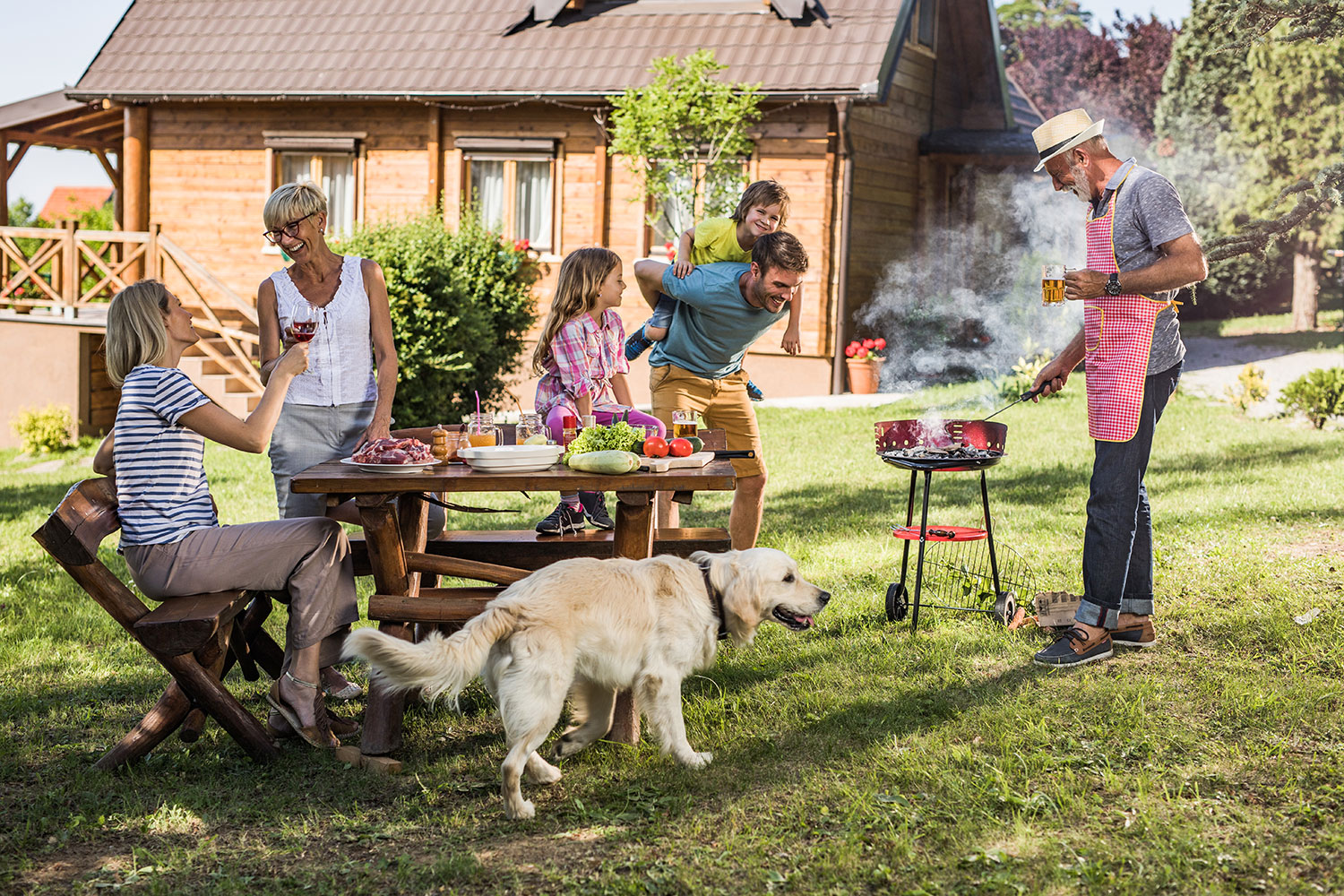
Barbecue season is a time for delicious food, outdoor fun, and quality time with friends and family. As you fire up the grill, your pet will likely hover nearby, eager to join the festivities and maybe snag a tasty treat. However, while you may be tempted to share, some barbecue foods can be harmful or toxic to pets. Here’s a list of 10 barbecue foods you should not share with your pet to ensure they stay healthy and happy.
1. Onions and garlic
Onions and garlic are staples in many barbecue dishes, from marinades to side dishes like coleslaw. However, they contain compounds that can damage a pet’s red blood cells and cause anemia. Signs include weakness, pale mucous membranes, jaundice, and collapse. Garlic is more toxic than onions, and cats are much more sensitive to these dangerous foods, so keep dishes with these ingredients out of reach.
2. Chocolate desserts
Chocolate is a well-known danger for pets, because the ingredients theobromine and caffeine can cause serious health issues. From brownies and pies to cookies and cakes, any chocolate-laden dessert is a no-go for pets. Chocolate toxicity signs include vomiting, diarrhea, hyperactivity, rapid breathing, and seizures. Ensure all desserts, especially those sweetened with the sugar substitute xylitol, are kept out of paws’ reach.
Advertisement
3. Grapes and raisins
They may seem like harmless—even healthy—snacks, but grapes and raisins are extremely toxic to dogs and can cause kidney failure. While the tartaric acid in grapes is considered the culprit, the exact toxic substance is unknown. Additionally, dogs seem to respond differently to grapes, with some developing toxicity from a few grapes, while others can eat a grape or two with no problem. Toxicity signs include vomiting, appetite loss, lethargy, and excessive thirst and urination. Avoid sharing these fruits and ensure they are kept out of reach of curious pets.
4. Corn on the cob
While corn itself isn’t harmful to pets, an ingested cob can pose a significant choking hazard or cause an intestinal blockage. Blockage indicators include vomiting, appetite loss, and straining to defecate. To prevent accidents, dispose of corn cobs properly and keep an eye on your pet during mealtime.
5. Skewers
Skewers, whether wood or metal, can be dangerous for pets. The sharp ends can seriously injure a pet who ingests or chews them by puncturing the mouth, throat, or intestines. Even if your pet swallows the pieces of food without the skewer, their injury risk is high. Always dispose of skewers properly and keep them well out of your pet’s reach.
6. Alcohol
Barbecues often include alcoholic beverages. Even small amounts of alcohol can be dangerous for pets and can cause vomiting, diarrhea, difficulty breathing, tremors, and death. Keep drinks away from pets and clean up any spills immediately to prevent accidental ingestion.
7. Bones
Cooked bones, especially from chicken or ribs, can splinter and seriously injure your pet’s mouth, throat, or intestines. Raw bones in uncooked meat are less brittle, but they cause bacterial infections and choking. Opt for pet-safe chews and ensure all bones are disposed of securely.
8. Fatty meats and trimmings
While a small piece of unseasoned lean meat may be a nice treat, fatty meats and trimmings can cause gastrointestinal upset and pancreatitis in pets. Signs include vomiting, diarrhea, and abdominal pain. Keep high-fat foods like sausages, bacon, and fat trimmings out of your pet’s reach.
9. Macadamia nuts
Macadamia nuts, often found in cookies and desserts, are toxic to dogs and can cause weakness, depression, vomiting, tremors, and hyperthermia. The exact toxin is unknown, but a small amount can cause severe illness. Avoid giving your pet any foods containing these nuts.
10. Salty snacks
Chips, pretzels, and other salty snacks are barbecue favorites, but high salt content can harm pets and lead to sodium poisoning. This condition can cause vomiting, diarrhea, tremors, elevated body temperature, and seizures. Keep salty snacks out of reach and opt for pet-friendly treats instead.
While you may be tempted to include your pet in your barbecue fun, their health and safety should always come first. Keep these foods away from your furry friend to help them enjoy the summer festivities without any health risks. Instead of sharing potentially harmful human foods, keep pet-safe treats on hand.
Should a guest unknowingly share a dangerous food with your pet, or your four-legged pal dives into the trash, contact your AAHA-accredited veterinarian for help.