Slim Down with Your Hound: How to Help Your Dog Lose Weight
All pet owners want their dogs to be happy, healthy, and full of energy. However, like people, dogs can struggle with weight issues. Obesity in dogs can lead to serious health problems, such as diabetes, heart disease, and joint damage. Fortunately, you can help your dog lose weight with the right approach. Here are some practical and proven tips to help your furry friend reach a healthy weight.
1. Consult your veterinarian
Before starting any weight loss program for your dog, consult your veterinarian. They can provide a comprehensive health assessment to rule out any underlying medical conditions that may be contributing to your dog’s weight gain. Your veterinarian also can recommend a target weight and a customized plan to help your dog lose weight.
2. Adjust your dog’s diet
Overfeeding is a common cause of weight gain in dogs. Use a measuring cup to feed your dog the correct portion size based on their ideal weight—not their current weight. Keep in mind that the feeding guidelines on package labels are meant as a starting point, and you should expect to make adjustments according to your veterinarian’s recommendations.
Advertisement
Treats can add a significant number of calories to your dog’s diet. Limit your pet’s treats and choose low-calorie options. Consider using vegetables like carrots or green beans, which are packed with health benefits and low in calories, as treats.
3. Increase your dog’s physical activity
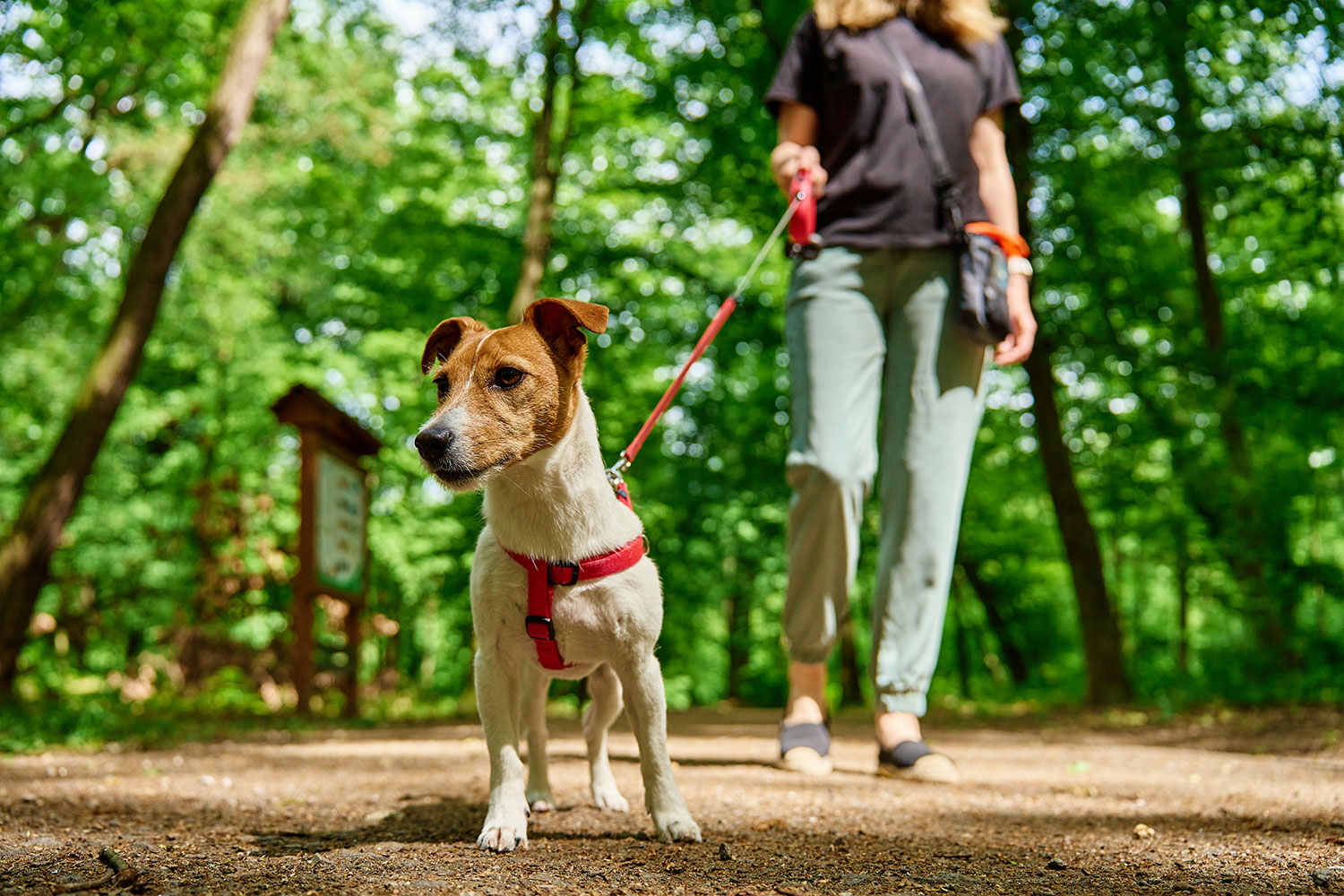
Regular walks are a great way to help your dog burn calories and maintain a healthy weight. Aim to walk at least 30 minutes each day, but adjust the duration based on your dog’s fitness level and breed. Increase the speed if appropriate for you and your canine companion, or let your dog run free in a large fenced-in area.
Provide extra exercise opportunities with more playtime, such as fetch, tug-of-war, or playing with toys, to your dog’s routine. Playtime not only helps your dog lose weight, but also strengthens the bond between you and your dog.
Additionally, consider agility training, which can provide your dog fun and effective exercise. Set up an obstacle course in your backyard or join a local agility class for new and exciting activities for your dog.
4. Monitor your dog’s progress
Keep track of your dog’s weight by weighing them regularly. This can help you monitor their progress and adjust their diet and exercise routine as necessary.
You can more accurately determine if your dog’s weight is healthy by using a body condition score (BCS) chart. A BCS chart helps you evaluate whether your dog is underweight, overweight, or at an ideal weight.
5. Stay consistent
Consistency is key to successfully helping your dog lose weight. Stick to the feeding and exercise plan, and don’t give in to your pet’s begging or feed them table scraps. This may be challenging at first, but consistency will yield the best results in the long run.
6. Make your dog work for their meals
Use puzzle toys that force your dog to work for their meals and use their mind and body as they eat. Food puzzles, silicone mats, and slow-feeding bowls can encourage your pet to focus on their food and help them feel full.
7. Join a canine weight-loss support group
Online support groups for pet owners with overweight dogs can offer motivation and support. Sharing experiences, tips, and success stories can keep you committed to your dog’s weight loss journey and give you special insight into methods that work.
Also, look for local meet-ups or groups that organize dog-friendly activities. Group walks, hikes, or play dates can be a great way for you and your dog to stay active and socialize.
Helping your dog lose weight is rewarding, and can significantly improve their health and quality of life. By following these tips and working closely with your veterinarian, you can develop a successful weight-loss plan for your furry friend. Schedule an appointment with your AAHA-accredited veterinarian to formulate the ideal weight loss plan for your dog.