The Journey of a Lifetime: Understanding Your Dog’s Life Stages
Sharing your life with a dog is a remarkable journey filled with love, companionship, and countless memories. Each of your dog’s life stages brings unique experiences and challenges. Understanding these stages enables you to provide your dog with the best care possible and helps ensure they lead a happy, healthy life. From puppyhood to the golden years, let’s explore each wonderful life stage.
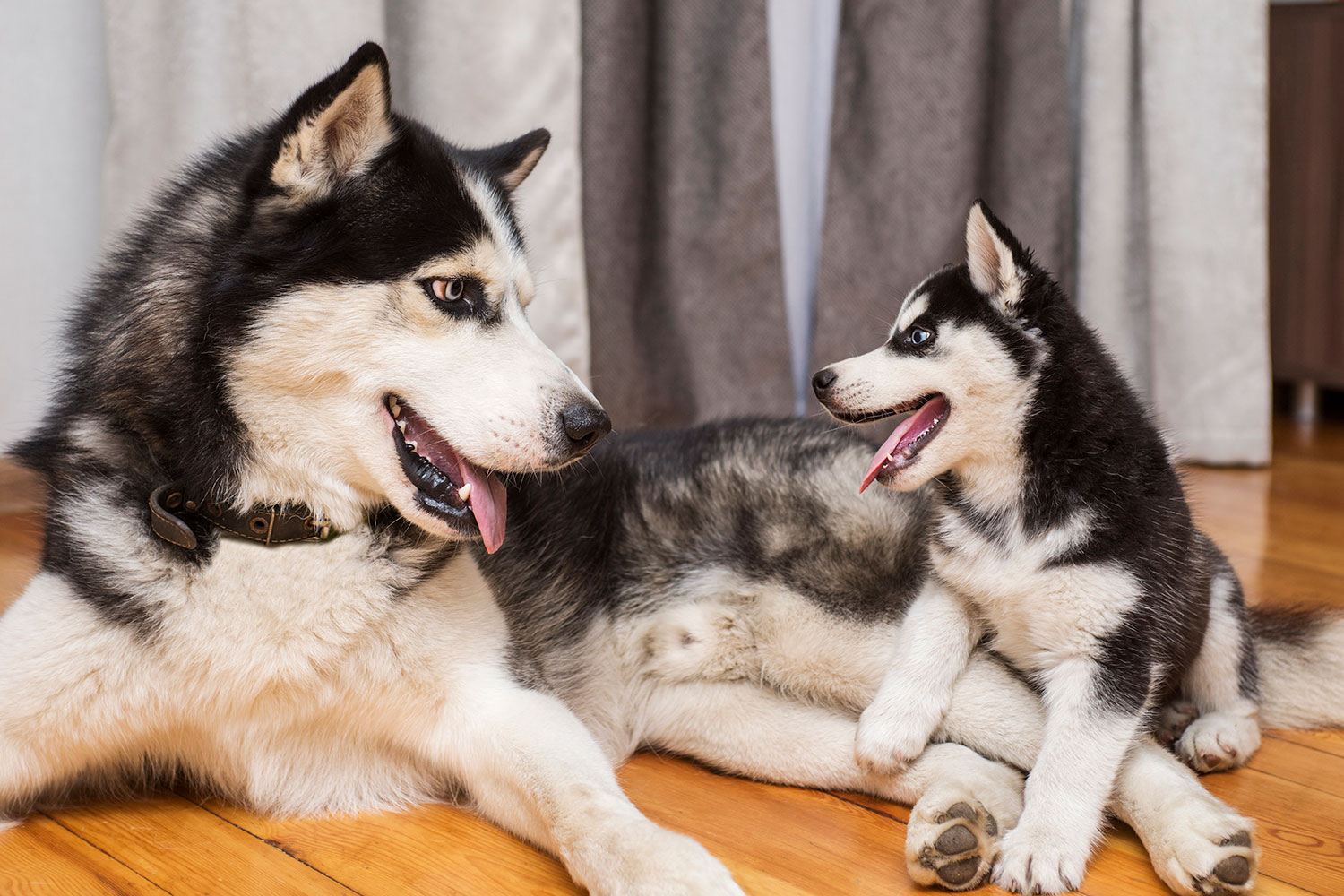
Puppyhood: The early years
The first weeks
A puppy’s first few weeks are crucial for their development. Puppies are born blind, deaf, and toothless and rely entirely on their mother for nutrition and warmth. This period, known as the neonatal stage, lasts from birth to 2 weeks, during which the puppies’ survival is dependent on the mother’s care.
Advertisement
Socialization period
Between 4 to 14 weeks, puppies grow rapidly and start exploring their surroundings. This period, as puppies learn to interact with their littermates, people, and other animals, is critical for socialization. Positive exposure to different environments, sounds, and experiences during this time helps them grow into well-adjusted adults. Vaccinations and veterinary check-ups are also essential during this stage.
Juvenile stage
The juvenile stage between 3 and 6 months is marked by boundless energy and curiosity. Puppies start losing their baby teeth and getting their adult teeth. Training should be consistent and positive, focusing on basic commands and housetraining. Socialization should continue, with regular introductions to new experiences and environments.
Adolescence: The teenage years
Physical changes
Adolescence in dogs, the period between 6 months and 2 years, can be likened to the teenage years in people. During this stage, dogs experience significant physical changes as their explosive growth rate slows, and their bodies become more robust and muscular. Some breeds may reach their full size by 1 year of age, while others, particularly larger breeds, continue to grow.
Behavioral changes
Behaviorally, adolescent dogs can be challenging as they test boundaries and behave inappropriately, such as chewing, digging, or ignoring commands. Consistent training, lots of patience, and plenty of physical and mental stimulation are key to navigating this stage successfully. Adolescence is also a good time to consider spaying or neutering your dog, based on your veterinarian’s recommendations.
Adulthood: The prime years
Physical health
Once dogs reach adulthood at around 2 years old, they are typically fully grown and have settled into their adult personalities. However, large and giant breeds may continue to fill out and change socially and emotionally as they continue to mature. Your dog’s prime years between 2 and 7 are often the most active and enjoyable. Regular exercise, a balanced diet, and routine veterinary care are essential to maintain their health and energy levels.
Mental stimulation
Adult dogs thrive on routine and mental stimulation. Activities like agility training, fetch, and puzzle toys can keep them physically and mentally fit. This is also an excellent time to reinforce training and teach new tricks or commands.
Social bonds
Adult dogs form strong bonds with their two- and four-legged family members during this life stage. Adult dogs are generally more predictable as they enjoy a stable and loving environment. Regular social interactions with other dogs and people help maintain their social skills.
Senior years: The golden age
Physical changes
As dogs enter their senior years, their activity level may decrease, and they may start showing cognitive and physical aging signs. Common physical changes include decreased mobility, muscle mass loss, and the onset of age-related health issues, such as arthritis or organ dysfunction. Regular veterinary check-ups become much more important to catch and manage any health issues early.
Dietary needs
Senior dogs have different dietary needs compared with their younger counterparts. They may require a diet lower in calories but rich in essential nutrients to support their aging bodies. Consult your veterinarian for recommendations on the best diet for your senior dog.
Comfort and care
Providing comfort is key in your dog’s golden years. Orthopedic beds can help alleviate joint pain, and moderate, low-impact exercise can keep them active without causing strain. Senior dogs also benefit from mental stimulation, so continue to engage them with gentle play and interactive toys.
The journey with a dog from puppyhood to their senior years is filled with joy, challenges, and unforgettable moments. Each stage brings its own rewards and responsibilities, but a dog’s unconditional love and companionship make every moment worthwhile. As your dog grows and journeys through their life stages, schedule regular veterinary care with your AAHA-accredited veterinarian to help them live a long, happy, healthy life.