The Secret Feline Language: 5 Reasons Why Your Cat Purrs
Cats have a unique way of communicating with their world, and purring is one of their most fascinating behaviors. For cat owners, this soft, rhythmic sound is a common, often comforting presence. But why do cats purr? Does purring merely signal contentment, or serve other purposes? We explore the various reasons why cats purr and what this behavior can tell you about your feline friend.
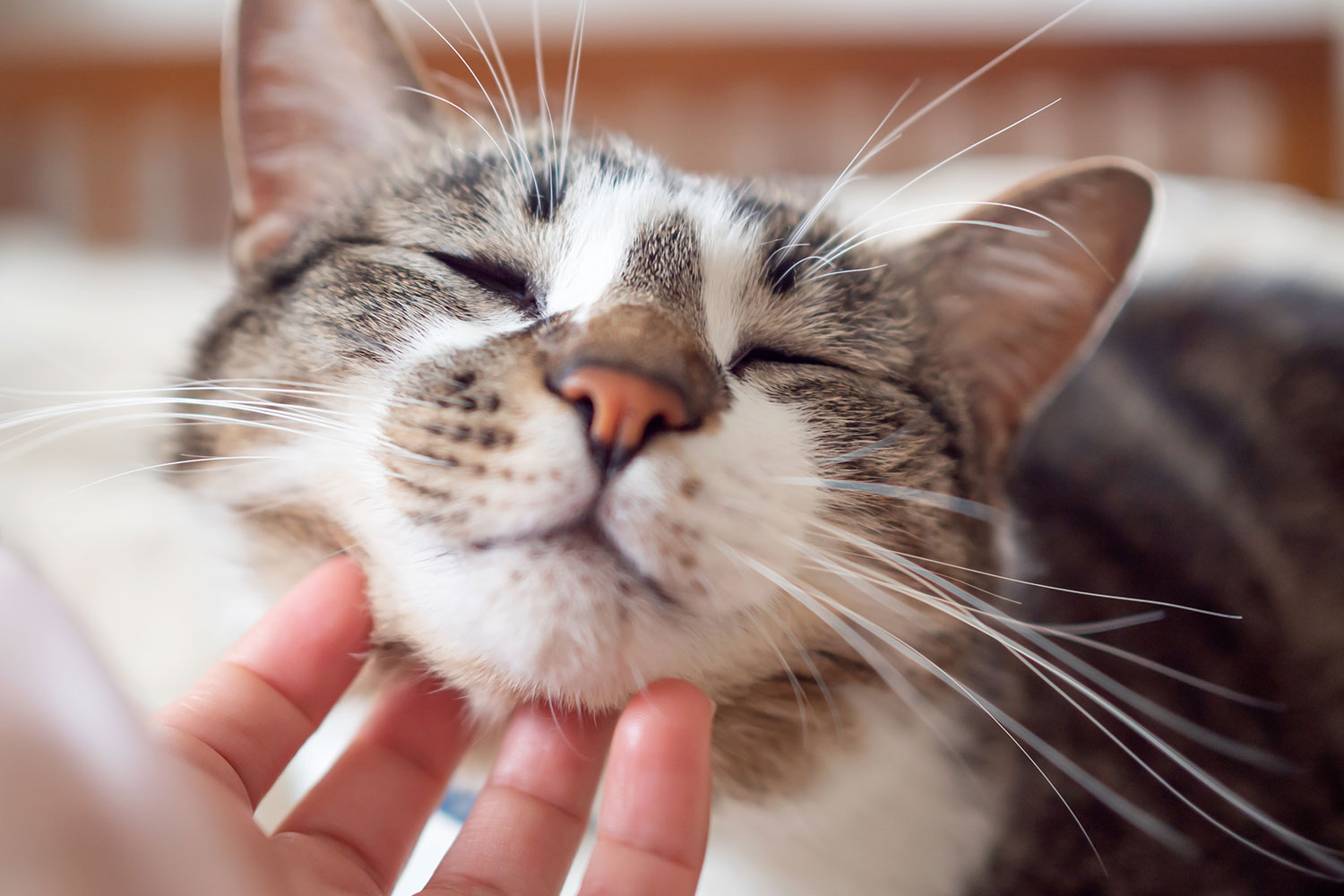
1. Contentment and comfort
The joy of a happy cat
One of the most well-known reasons cats purr is to express contentment and comfort. When your cat curls up on your lap, closes their eyes, and begins to purr, they are clearly indicating that they feel safe, happy, and relaxed. Domestic cats as well as wild cats like lions and cheetahs exhibit this behavior. The rhythmic vibrations of purring create a soothing environment, which in turn helps reinforce the bond between cats and their owners.
Advertisement
Mother-kitten bonding
Purring also plays a crucial role in the early stages of a cat’s life. Kittens are born blind and deaf, so they rely heavily on their sense of touch and smell. Mother cats purr to communicate with their kittens, signaling that it’s safe to come closer and nurse. Kittens, in turn, purr back to their mothers, creating a mutual sense of comfort and security.
2. Healing and health benefits
The healing power of purrs
While purring is often associated with relaxation and happiness, research suggests that it may also have health benefits. The vibrations produced during purring occur at a frequency of 25 to 150 Hertz, which has been shown to promote healing and tissue regeneration and is known to positively affect bone density and tendon and muscle repair.
Stress reduction
Purring may also help reduce stress and anxiety in cats. The act of purring can be self-soothing for cats, much the way people feeling anxious hum or sing to themselves. This calming mechanism can help cats cope with stressful situations, such as new environments or the presence of unfamiliar animals.
3. Communication and social interaction
A cat’s way of talking
Cats use purring to communicate with people and other cats. While a purring cat sitting on your lap is often a sign of affection, they may also be conveying other messages. For instance, a cat may purr to solicit food or attention from their owner. In multi-cat households, purring can serve to communicate with other cats, such as indicating a desire to play or signaling non-aggression.
Different purr types
Not all purrs are created equal. Researchers have identified various types that cats use in different contexts. For example, a “solicitation purr” is a specific type that includes a high-frequency element, similar to a baby’s cry, designed to grab the attention of people and elicit a response, such as feeding.
4. Pain and discomfort
Purring in times of distress
Interestingly, cats may also purr when they are in pain or discomfort. This behavior seems counterintuitive, but purring in such situations is believed to serve several purposes. Firstly, the act of purring may help soothe the cat and alleviate pain, similar to people in distress finding comfort in moaning or rocking back and forth.
Healing mechanism
Moreover, the vibrations associated with purring could potentially stimulate the cat’s body to release endorphins, which are natural pain-relief chemicals. This theory aligns with the idea that purring can promote healing and recovery.
5. Breathing and sleep regulation
Rhythmic breathing
Purring may also help cats regulate their breathing. The steady, rhythmic pattern of purring can help cats breathe calmly at a regular rate, which is particularly beneficial during sleep.
Inducing sleep
Purring’s soothing nature can help cats fall asleep more easily. Much as a lullaby can lull a baby to sleep, purring’s gentle vibrations create a peaceful environment conducive to rest and relaxation.
The reasons why cats purr are varied and complex, reflecting our feline companions’ multifaceted nature. From expressing contentment and fostering mother-kitten bonding to promoting healing and reducing stress, purring goes beyond simple happiness.
If your cat’s purring seems unusual or is accompanied by distress signs, contact your AAHA-accredited veterinarian to determine if their purring indicates illness or injury.